Rémy Martin · Baccarat Crystal · Since 1874
Over 125 years of evolution, one decanter at a time. Identify any bottle by fins, base engraving, stopper, label, and packaging — from the first hand-blown glass to the modern gold-top era.
Source: Research by Michael at Vieux Cognacs (vieuxcognacs.com), October 2013. Dates are approximate; some conclusions remain disputed. Use as a reference, not a final authority — bottle photography and original research available at the source.
Origins
Louis XIII is the flagship expression of Rémy Martin — and the decanter is inseparable from the cognac inside it.
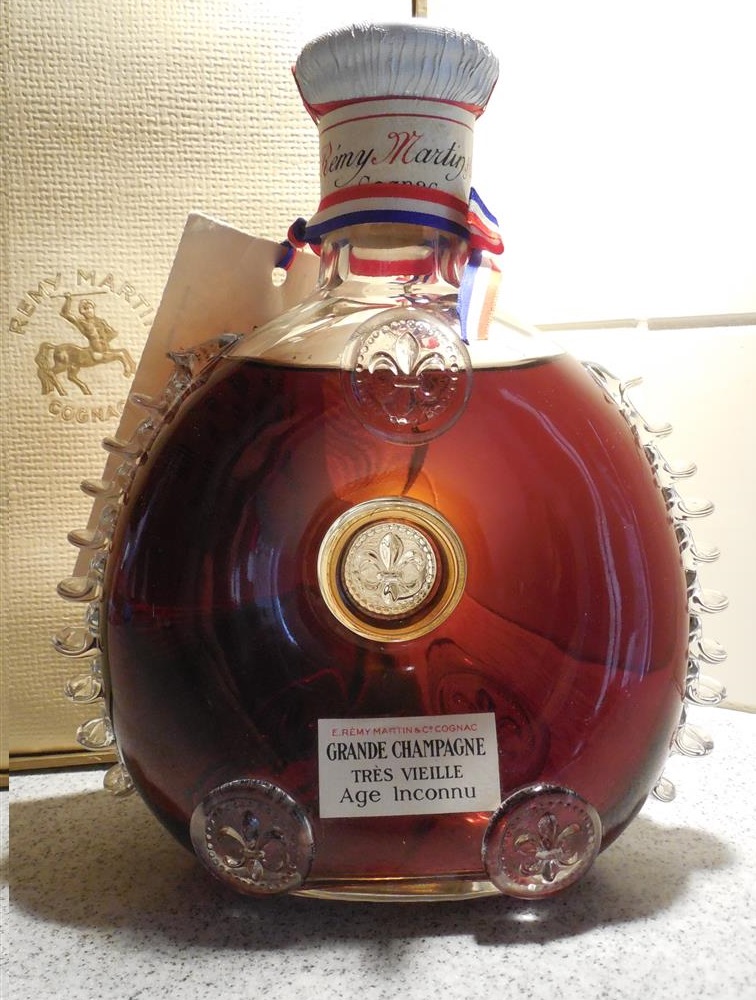
1874
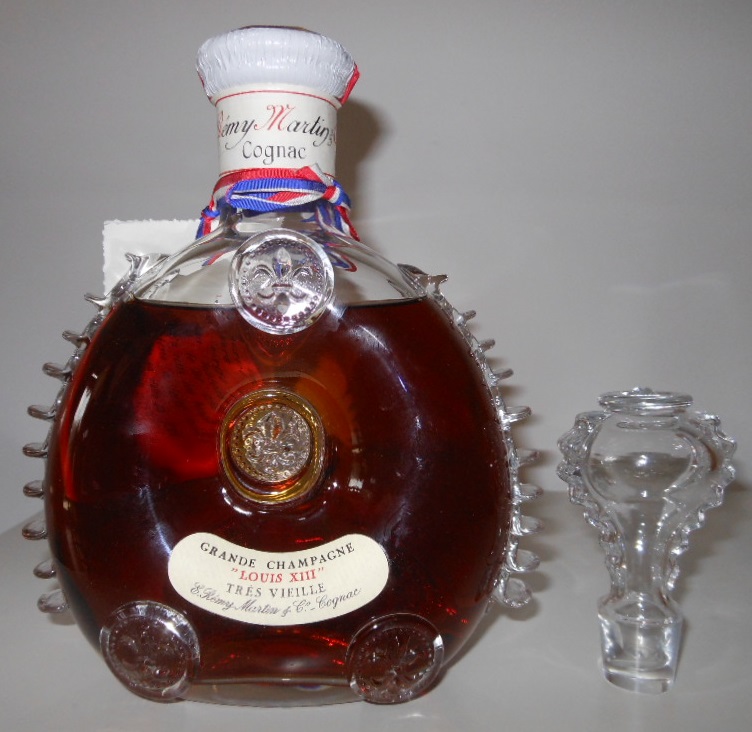
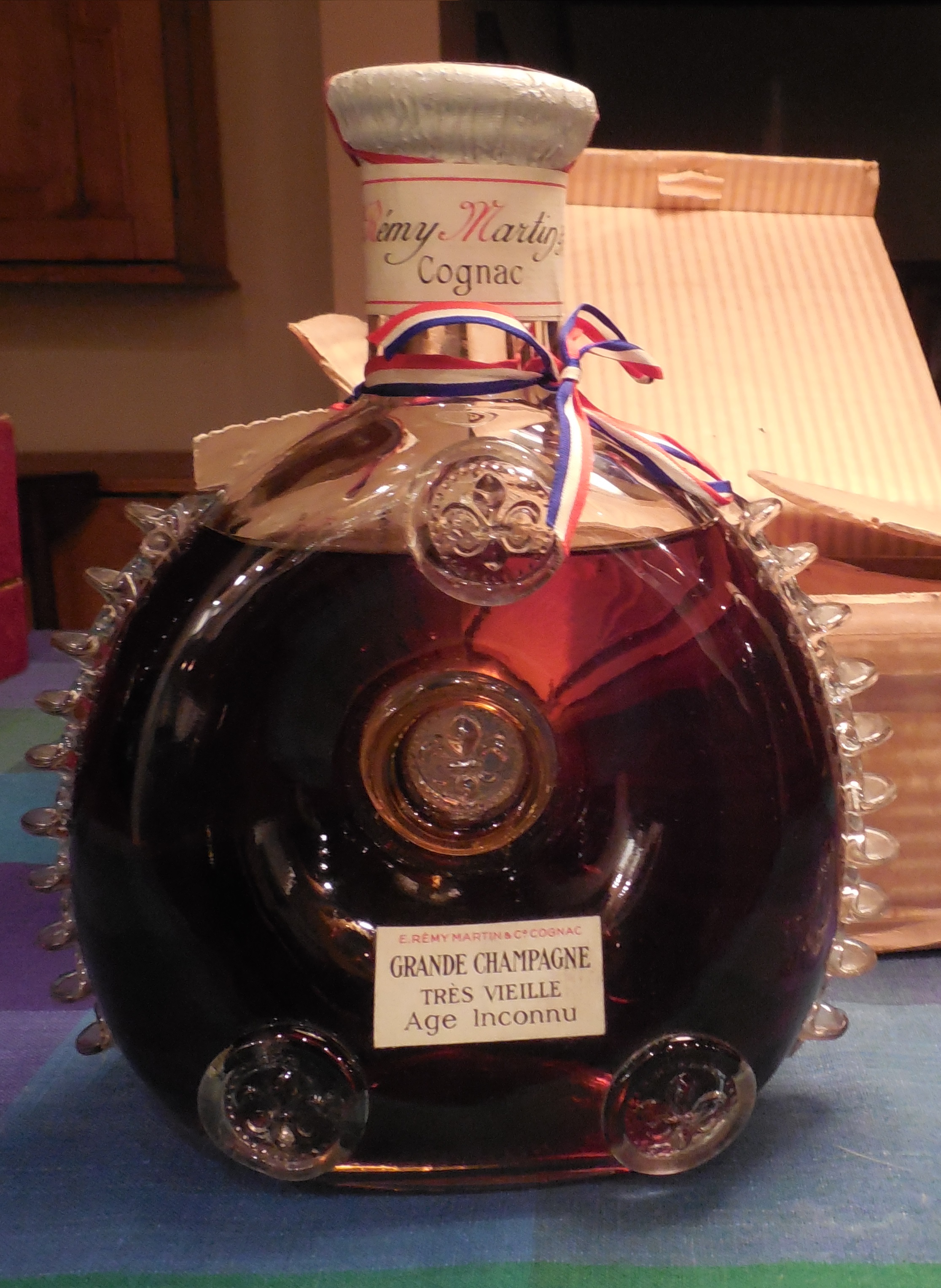
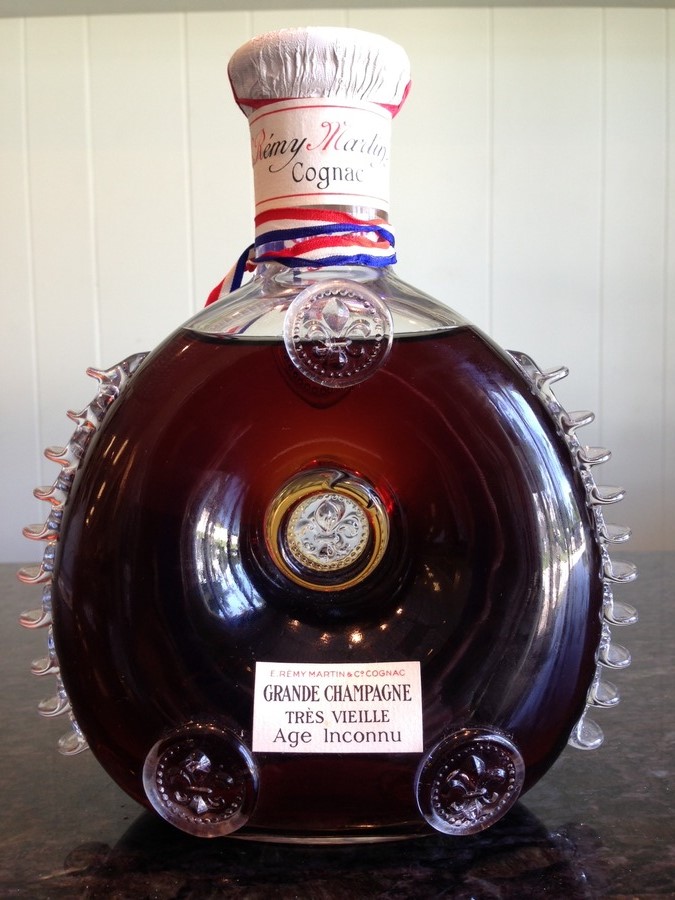
Paul-Émile Rémy Martin, great-grandson of the family founder, drew from tierçons quietly aging in the Rémy Martin cellars and assembled what he called Grande Champagne, Très Vieille, Age Inconnu — very old, of unknown age, from the best terroir. He named it after King Louis XIII of France, who reigned when the Rémy Martin family first settled in the Cognac region in the 1620s and was the first French monarch to formally recognize cognac as a spirit. The blend came to international attention at the 1900 Universal Exhibition in Paris.
1569
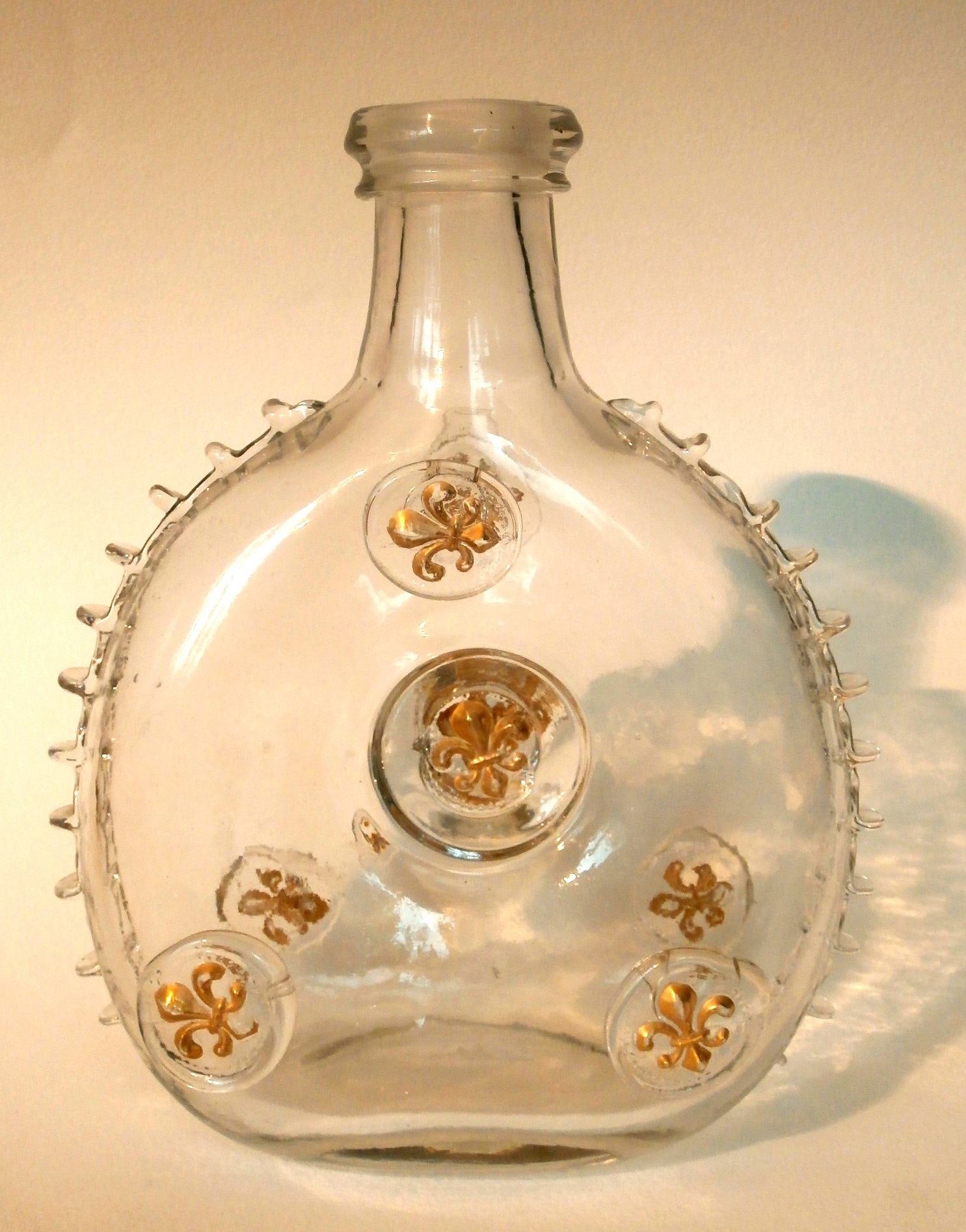
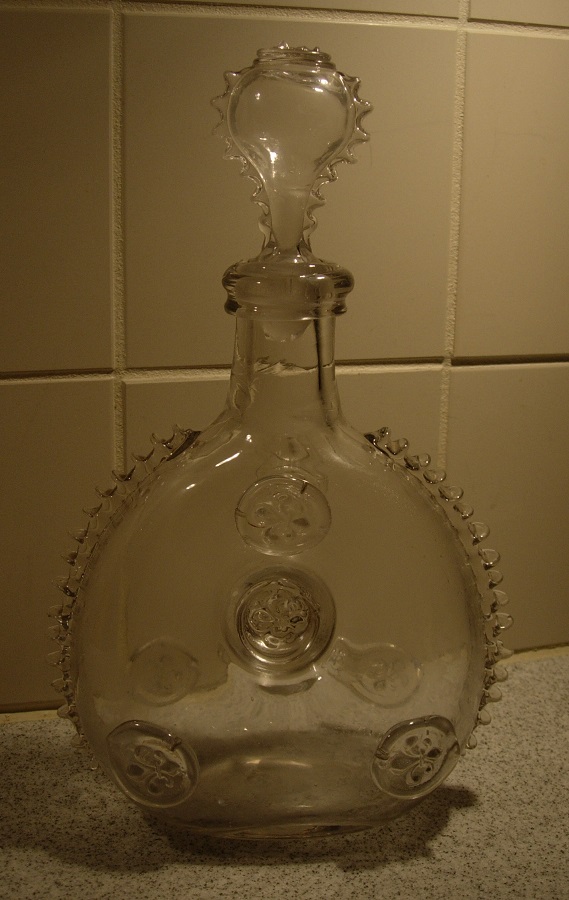
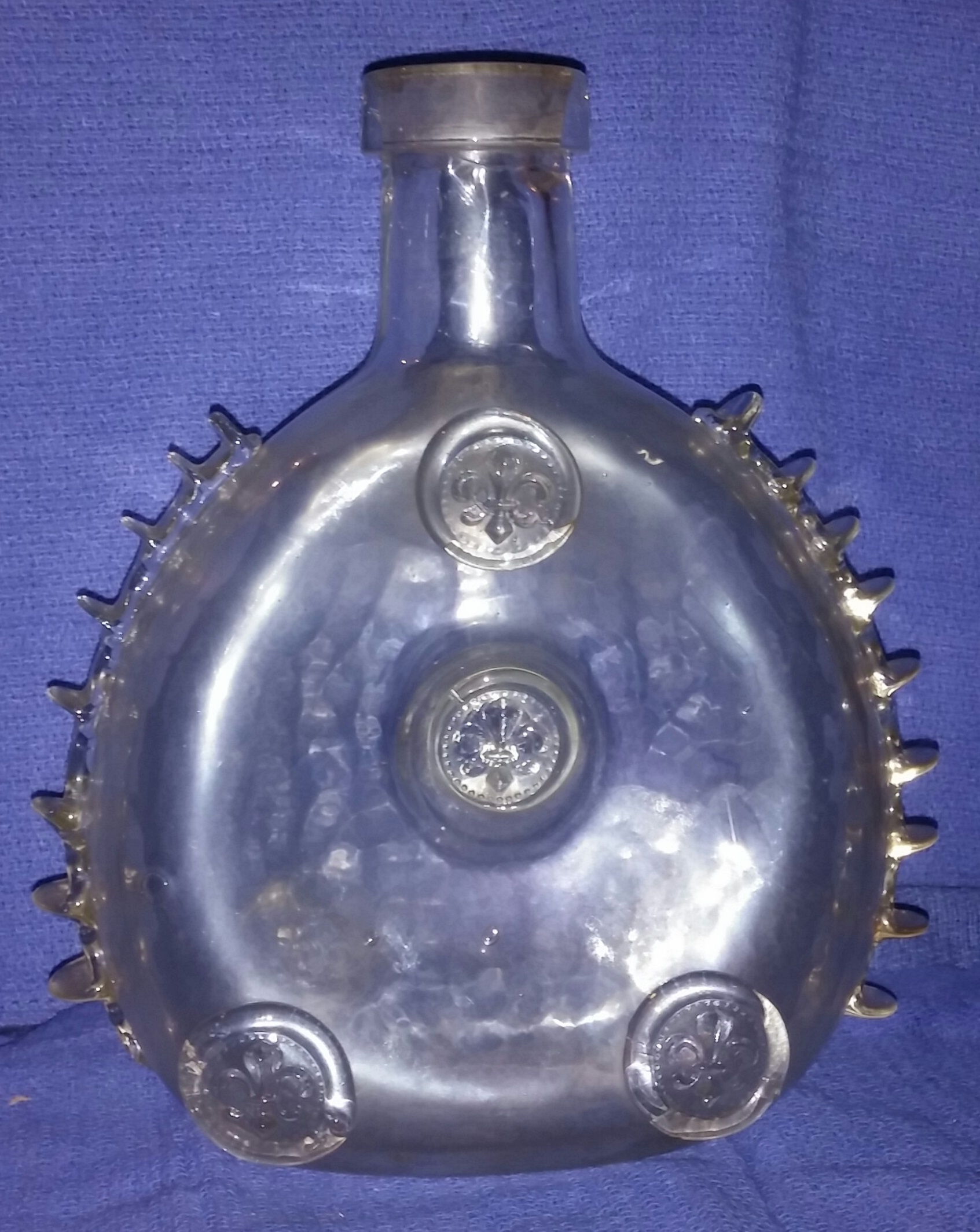
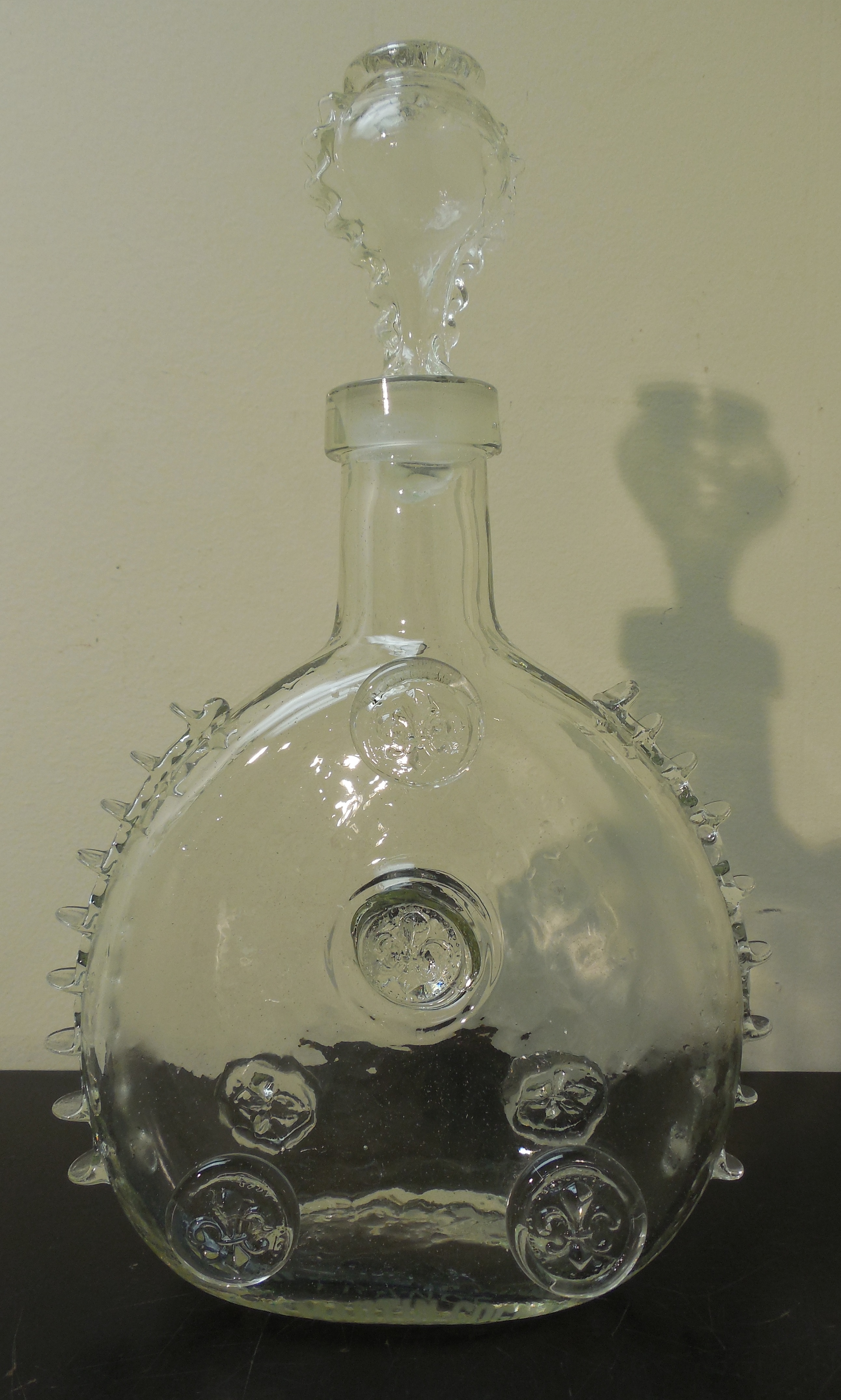
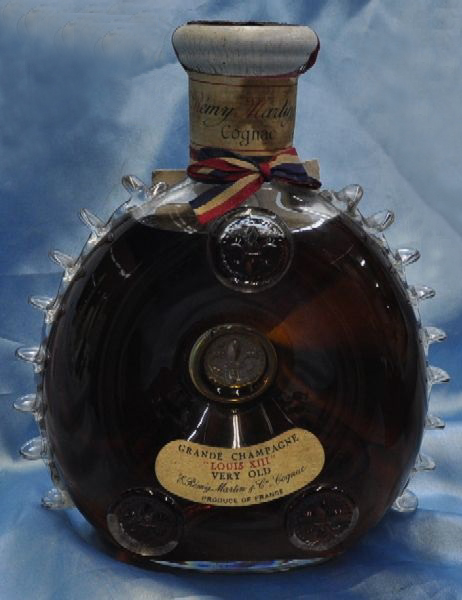
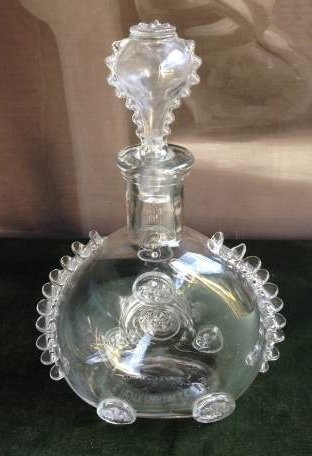
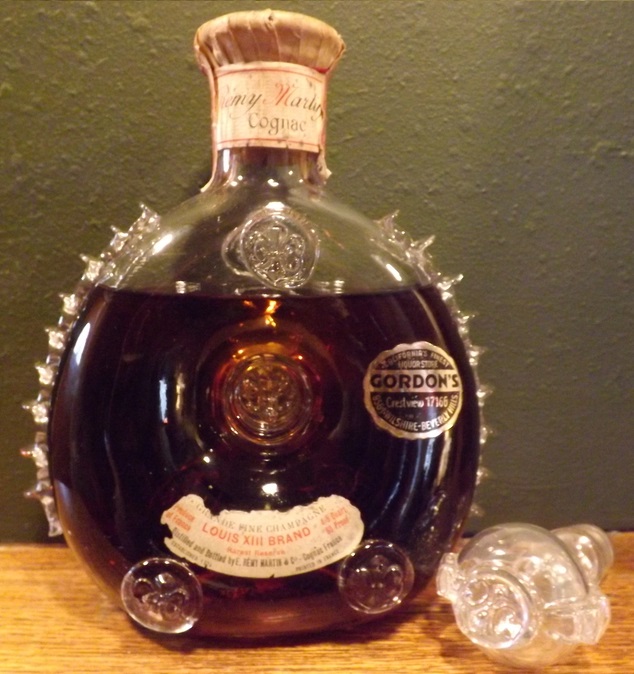
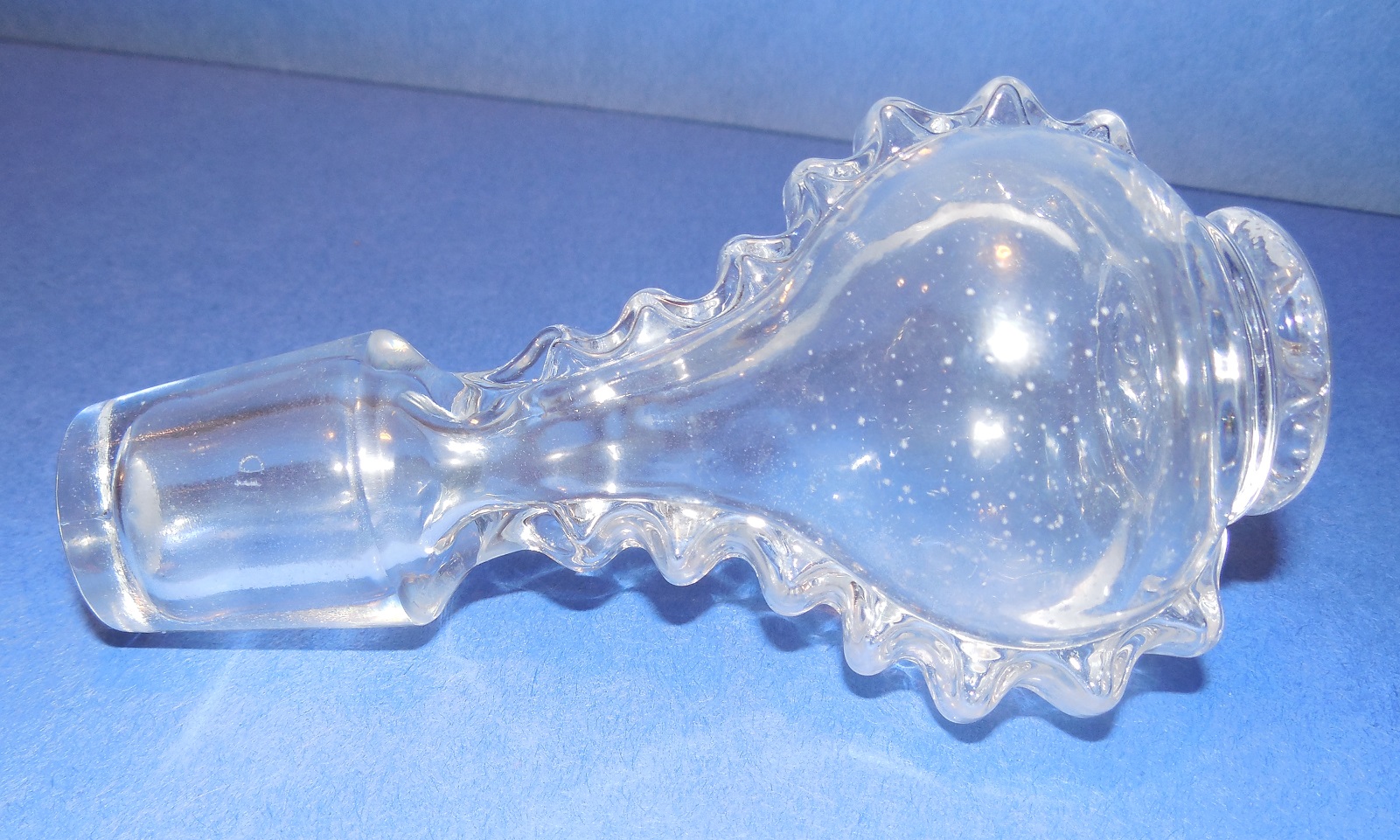
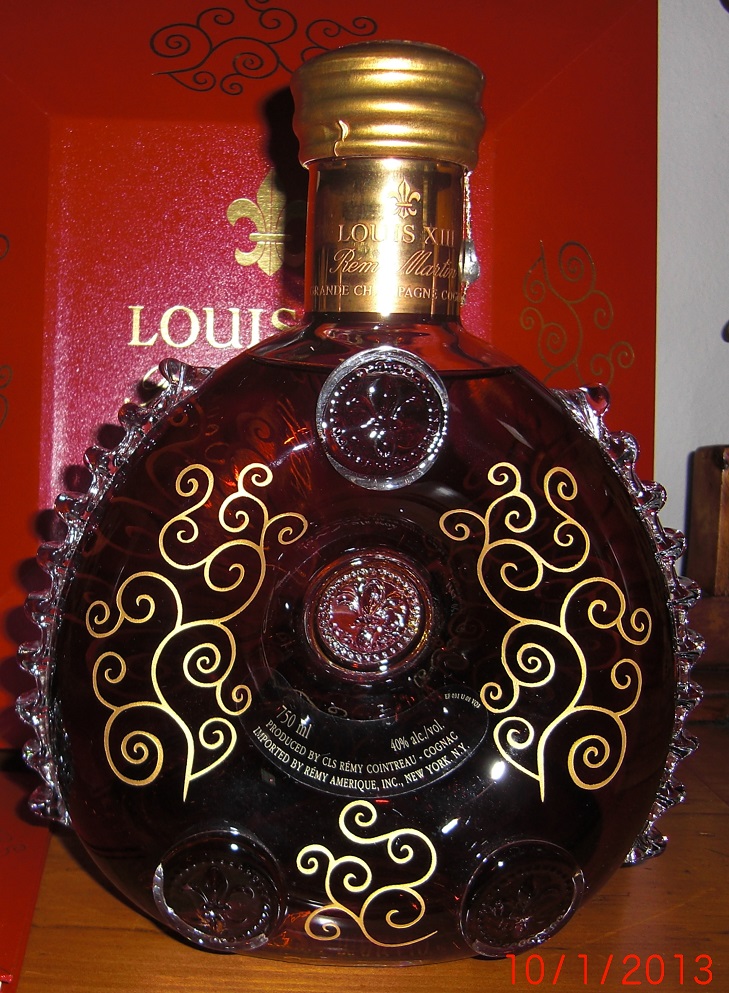
The iconic decanter shape is not a modern design exercise. Paul-Émile modeled it on a 16th-century metal flask that had belonged to a French chevalier who carried it on the battlefield of Jarnac in 1569. Lost on the frontlines, it was unearthed centuries later and became the mold for the decanter we know today. The form — rounded body, fluted fins, fleur-de-lys medallions, ornate neck — has remained fundamentally unchanged for over 150 years, though crystal manufacturers, stopper designs, and finishing details have evolved considerably. All Louis XIII decanters you encounter today trace their shape to that battlefield flask.
Cellar Masters
Each cellar master selects eaux-de-vie they will never taste in their finished form — the blend they choose will only be bottled decades after they retire.
| Master | Tenure |
|---|---|
| André Renaud | 1924–1960 |
| André Giraud | 1960–1990 |
| Georges Clot | 1990–2003 |
| Pierrette Trichet | 2003–2014 |
| Baptiste Loiseau | 2014–present |
Production
From vine to decanter spans up to a century and four generations of cellar masters. Less than 5% of eaux-de-vie evaluated each year are selected.
The Terroir
Louis XIII uses exclusively Grande Champagne grapes — the innermost and most prized of Cognac's six crus, representing just 4% of the appellation's vineyards. The chalk-rich soils produce wines with concentrated acidity and aromatic finesse uniquely suited to century-long aging. Rémy Martin's other expressions blend Grande and Petit Champagne; Louis XIII is 100% Grande Champagne. The Ugni Blanc grape is harvested in November, then double-distilled in copper pot stills smaller than conventional cognac stills to produce a concentrated, fruity eau-de-vie.
The Tierçons
Louis XIII is aged in tierçons — traditional Limousin oak barrels, larger than standard casks, handmade from wide-grain oak air-dried a minimum of three years. Unlike conventional barrels, tierçons are used repeatedly over decades. Some in the Rémy Martin cellars date to 1744. When new, a tierçon first receives young eaux-de-vie; beyond 50 years, it receives older material destined for the final blend. Since 2017, approximately 15 new tierçons are made each year — not to expand production, but to gradually replace vessels too worn to repair. Four in-house coopers are trained specifically in the art of restoring old tierçons.
The Blend
The final blend assembles up to 1,200 individual eaux-de-vie, ranging from 40 to 100 years of age. Only five experts are involved in the final blending process. The cellar master compares each new blend against previous years to maintain consistency — a remarkable challenge given that no two years' raw materials are identical. Once assembled, the blend spends an additional four years in a tierçon before being transferred to the Baccarat crystal decanter. The full journey from selection to decanter can span an entire century.
How to date a bottle
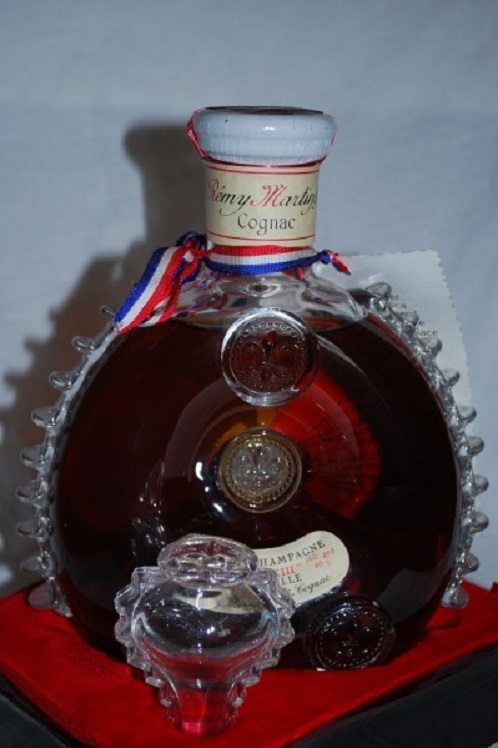
No single characteristic is definitive. Use the full profile — all six — to narrow a date range. Sets are sometimes reassembled from mismatched parts, so verify that bottle, stopper, box, and card are consistent with each other.
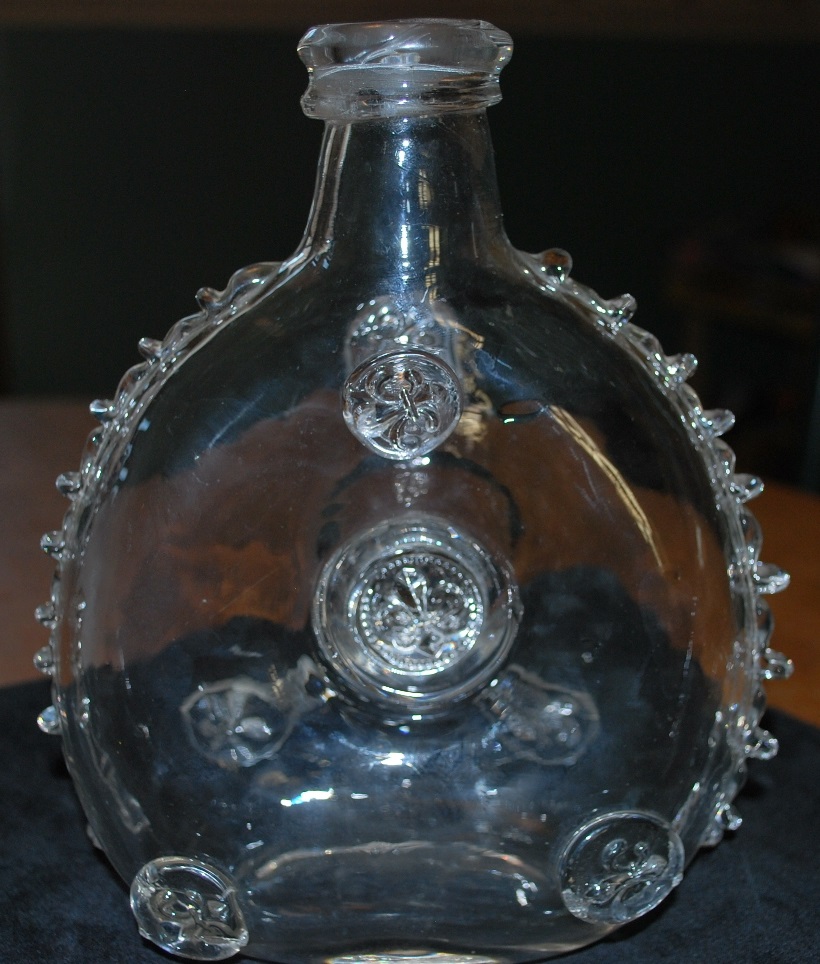
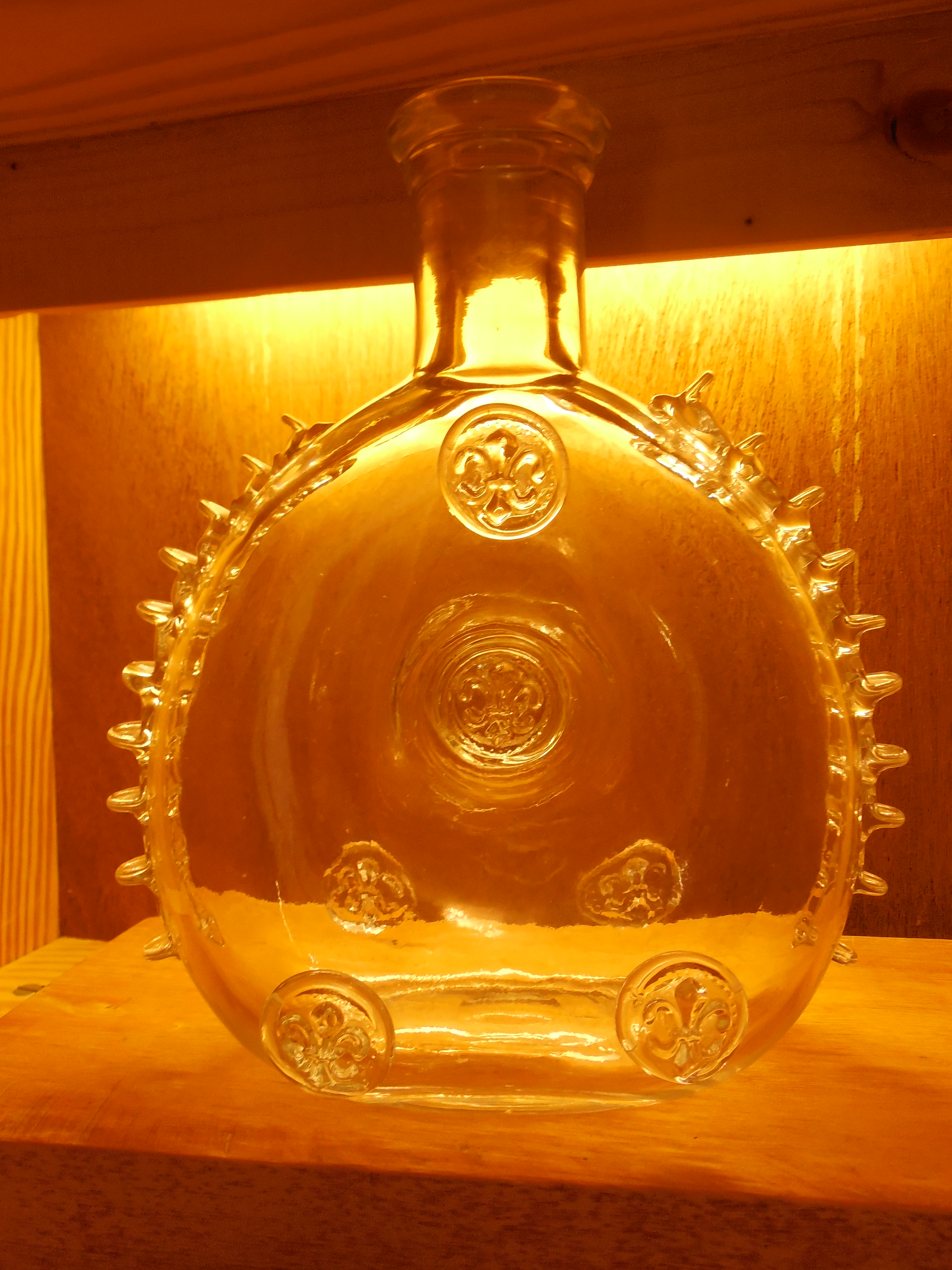
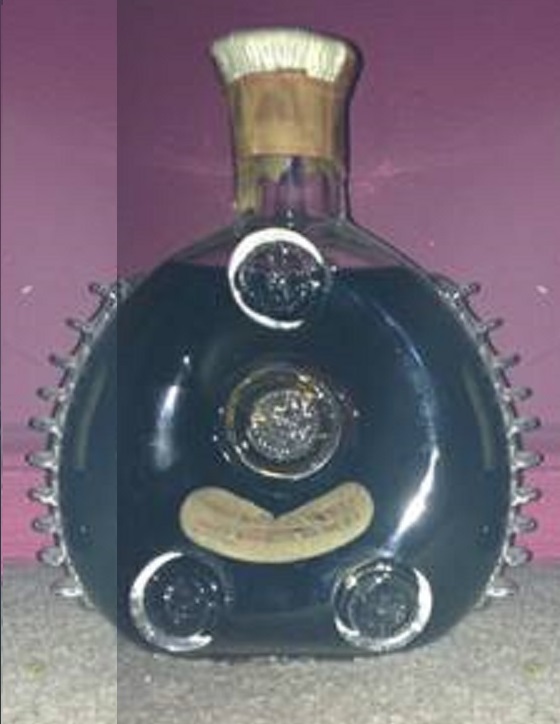
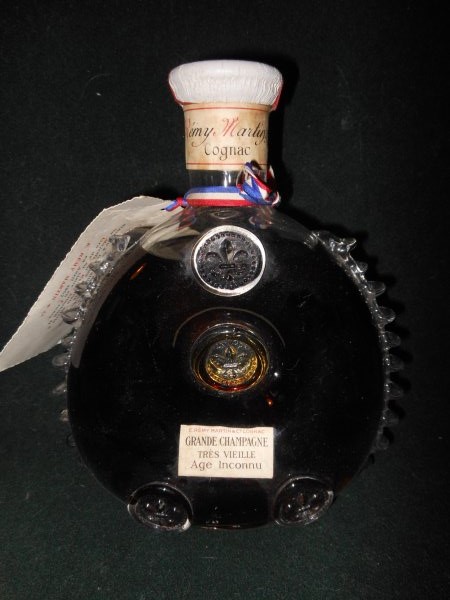
No confirmed full bottle has ever been found from before 1938. All date estimates for the three earliest known bottle types are speculative. The three types share the same basic silhouette but differ dramatically in fin count and manufacturing precision — clear evidence of hand production without controlled molds.
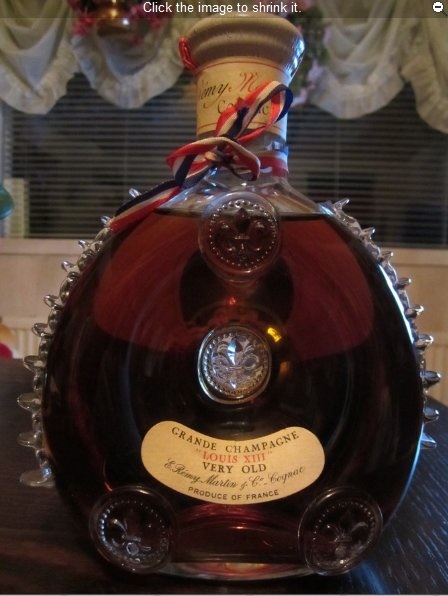
The 1900–1936 commercial bottle (9 fins, acid-etched markings, cylindrical neck with offset opening) is probably what was sold through prohibition-era gray markets before Baccarat crystal arrived.
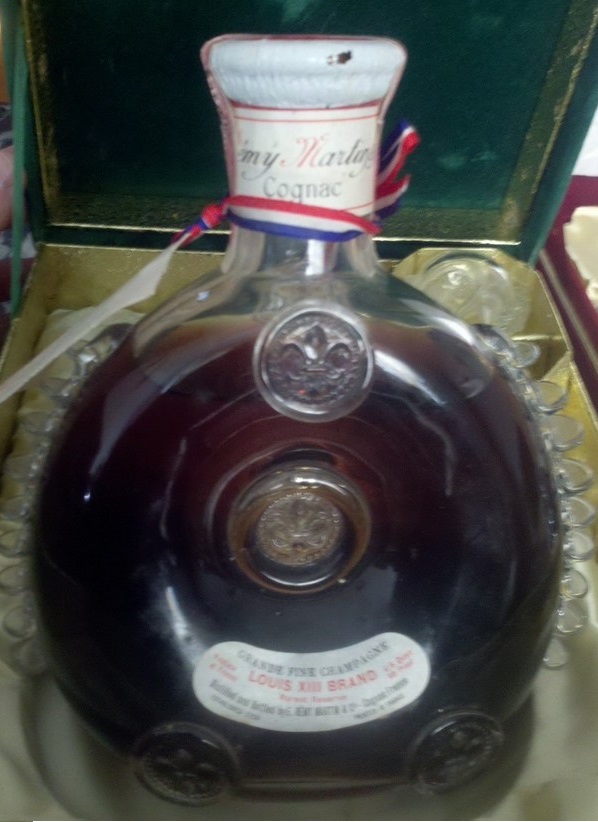
The critical authentication point: no Baccarat logo does not mean pre-WW2. Many post-war bottles (1946–1950) also lack the engraved logo. A logo on the base confirms post-1950; its absence is inconclusive either way.
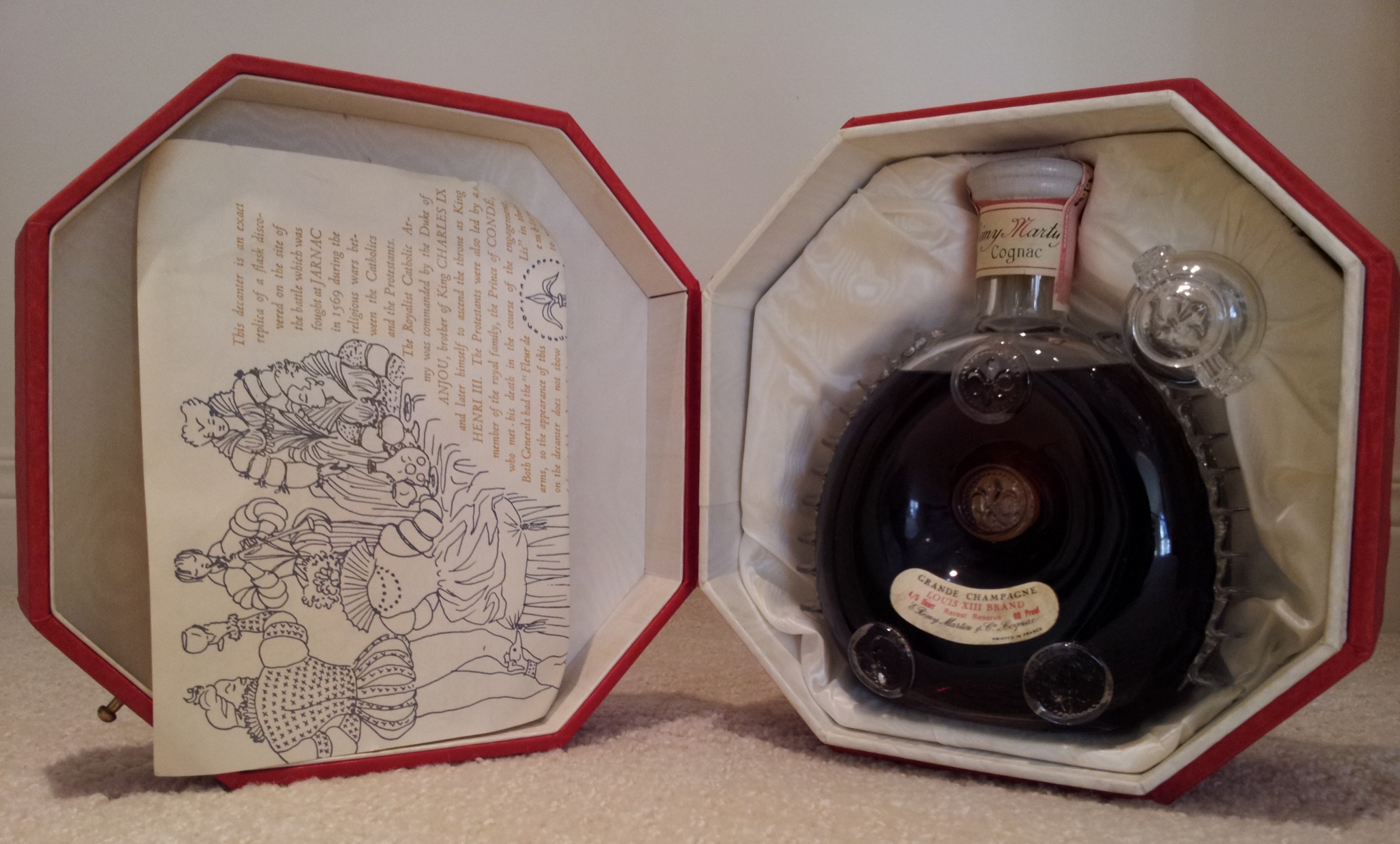
Note the Fleur-de-Lys medallion size and position varies on these early bottles compared to post-WW2 Baccarat — a secondary dating clue when bottle numbers are missing.
Any set presented as a "WW2-era" Louis XIII should be viewed with extreme skepticism. Authentic 1938–1940 bottles are sometimes incorrectly combined with post-war cases, stoppers, or cards. Always verify all components of a set match the same era.
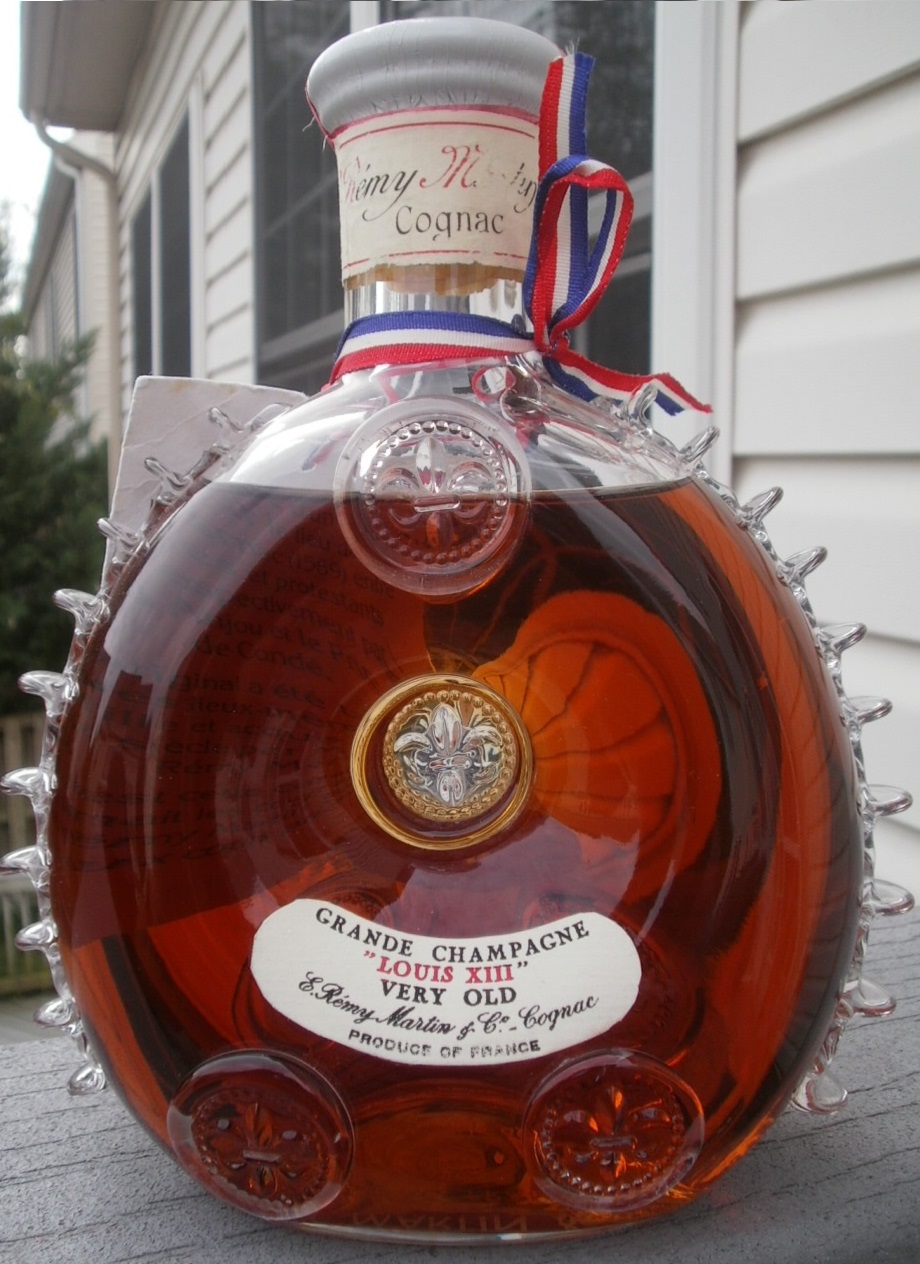
US buyers knew it as "Louis XIII" while the rest of the world still bought "Age Inconnu." For roughly 30 years the two names coexisted in parallel — which is why sets with different labels are found on either side of the Atlantic.
Low serial numbers in the 1946–1950 range reflect small yearly production restarting after the war. The rule that "no logo = pre-WW2" is wrong — many 1946–1950 bottles also lack the engraved logo.
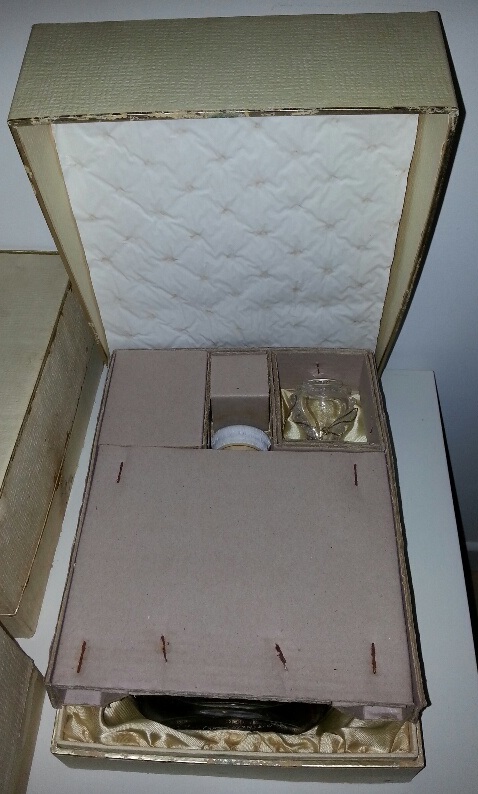
The 1964–1968 red oval box is the rarest packaging type in Louis XIII history outside North America. If one appears in Europe or Asia, examine it closely — it almost certainly did not originate there.
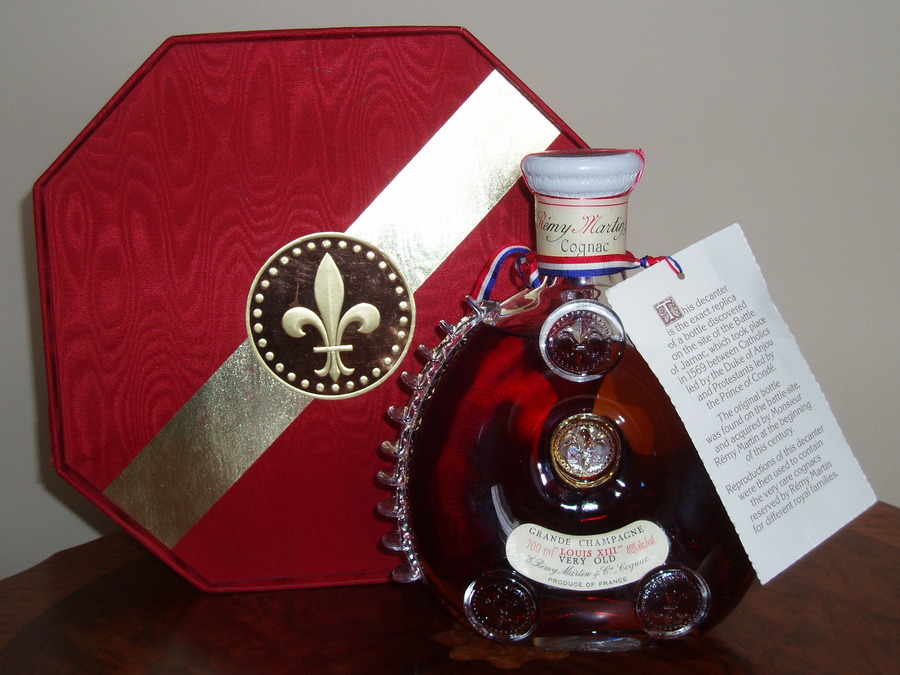
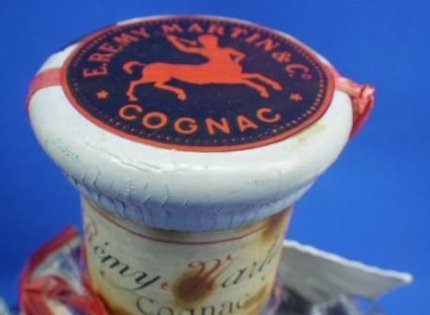
The octagonal box and Battle of Jarnac card are the clearest markers for this era. The return of the old Centaur logo (after a decade of the new version) remains unexplained — a useful dating indicator when the case has been separated from the bottle.
The quality decline across this period is visible: compare a 1970 bottle (still sharp, hand-etched lettering) to a 1977 or 1978 example (painted markings, visible mold lines).
Saint Louis bottles are frequently misidentified as early Baccarat or even 1900s examples. One was marketed by a major auction house as an "early 1900s Saint Louis bottle" — this was wrong. The use of "Co. SA" and volume indication on the base both place it firmly in the 1960s at earliest.
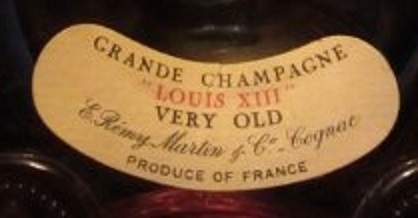
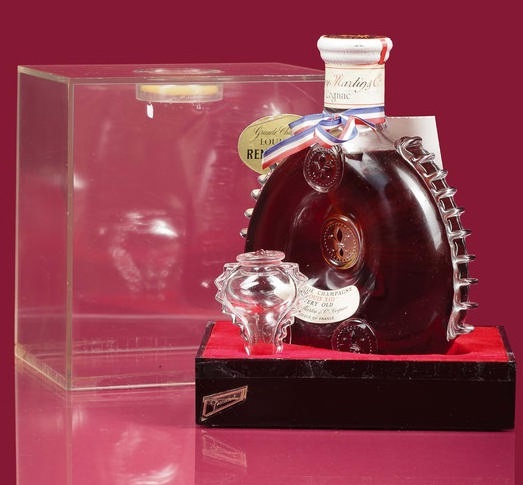
By 1981, remaining "white-top" stock was being liquidated through duty-free shops in plexiglass display cases — a presentation not seen in Western markets.
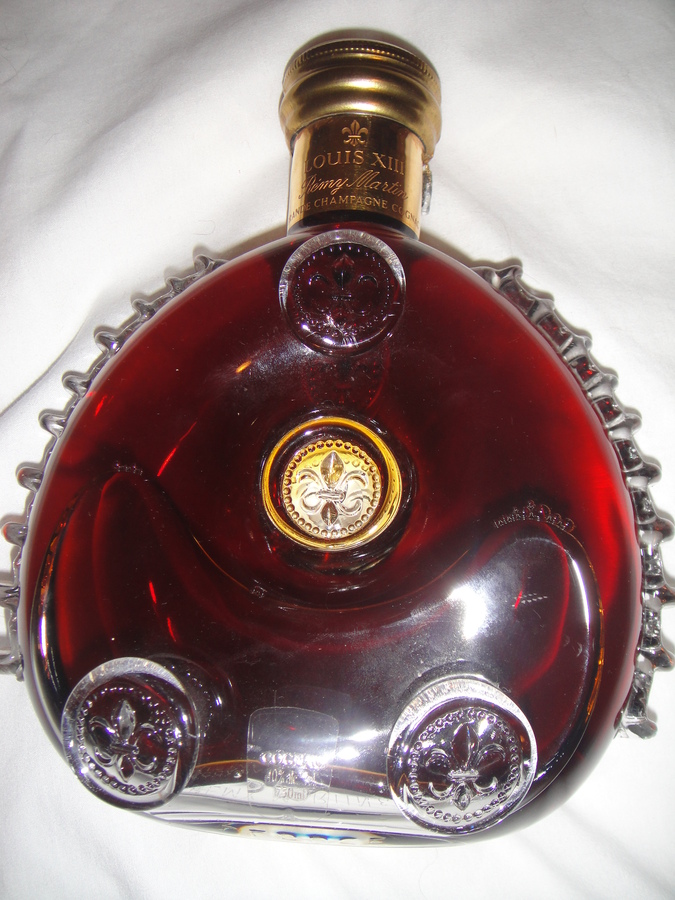
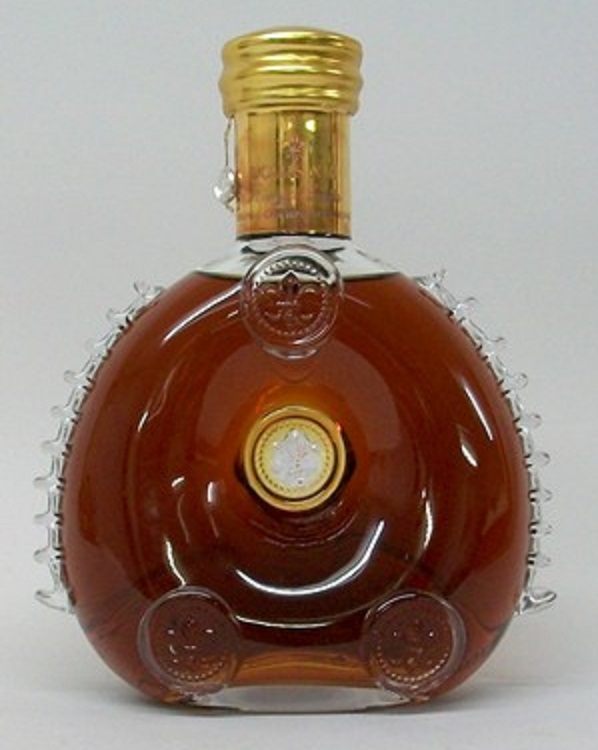
The gold-top era is the longest-running single design in Louis XIII history — nearly 23 years. The return to individual bottle numbering (after a 15-year gap) makes authentication straightforward: if a gold-top bottle lacks a serial number, examine it carefully — it may be a Saint Louis example or have a replaced stopper.
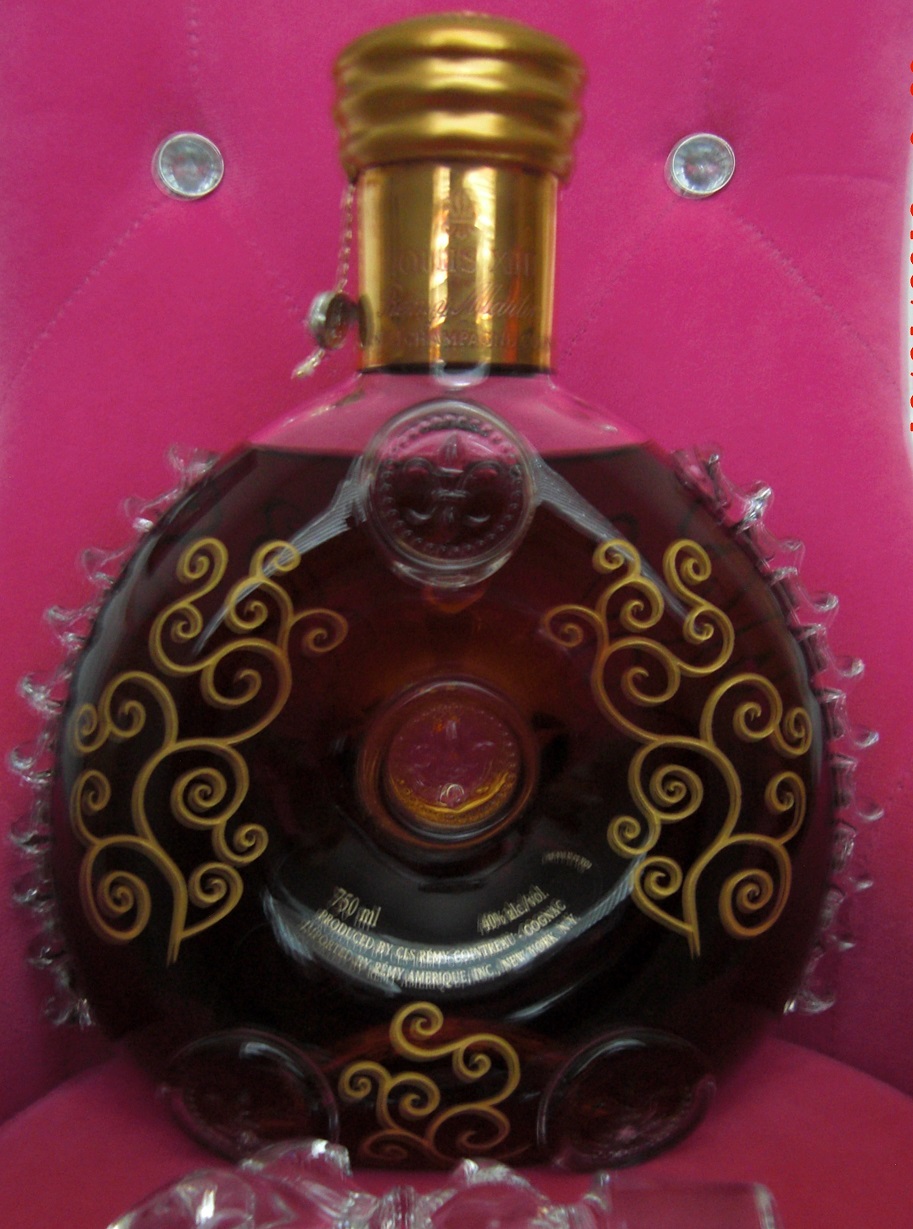
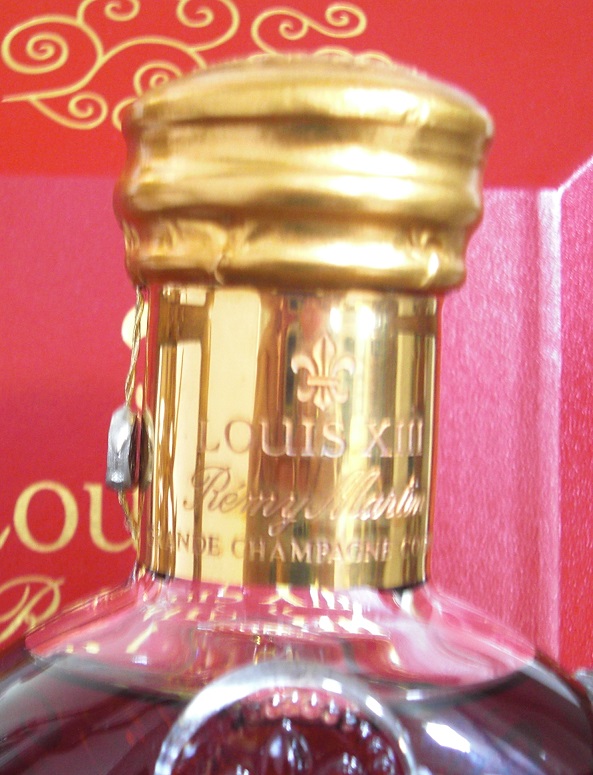
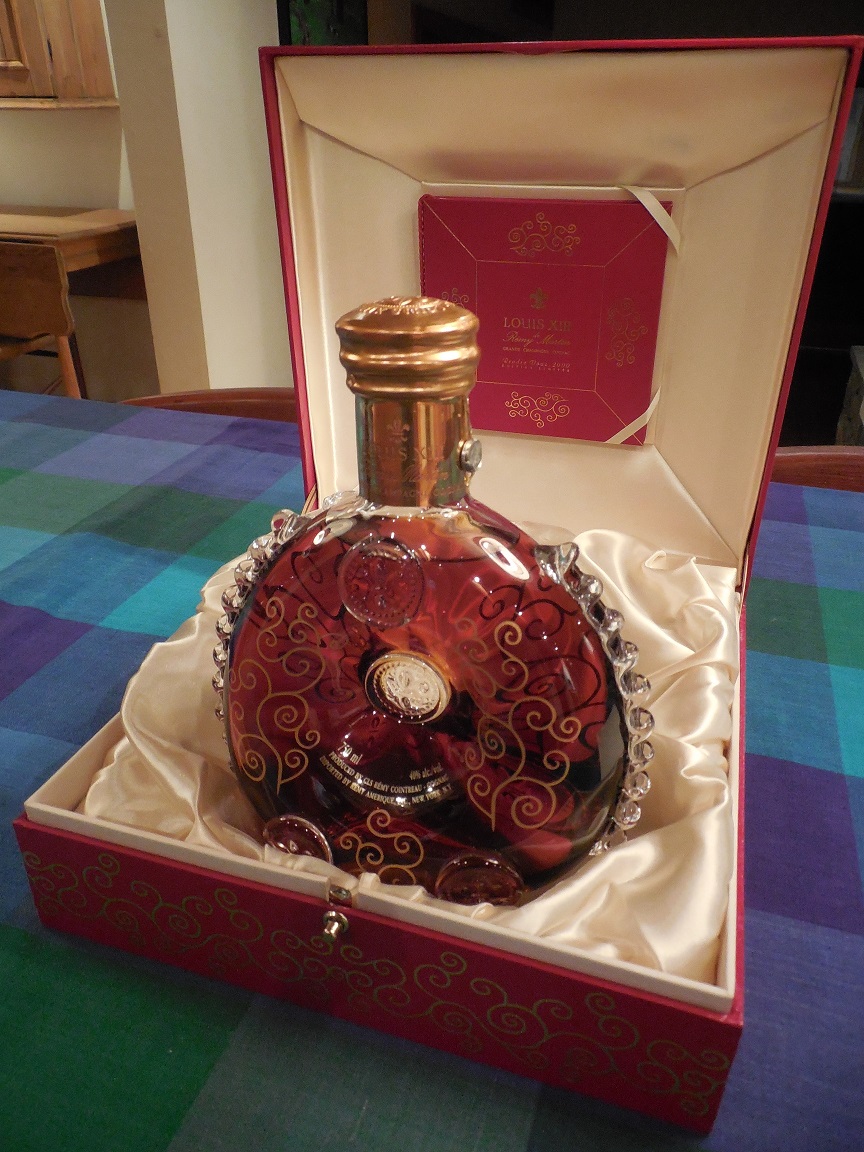
The Rendez-Vous 2000 is a gold-top bottle with special Baccarat engraving and a unique presentation case. It marks the end of this guide's scope — over 125 years from the first irregular hand-blown glass to a numbered millennium commission.
Collector's Reference
No single feature is definitive — use several in combination. Sets are sometimes reassembled from mismatched parts; verify that bottle, stopper, box, and card are consistent with each other.
| What you see | What it tells you |
|---|---|
| White capsule top | Bottled before 1981 |
| Gold capsule top | Bottled 1979 or later |
| Both white and gold tops possible | 1979–1981 overlap window |
| No Baccarat logo on base | Pre-1950 or 1946–1950 postwar — not necessarily pre-WWII |
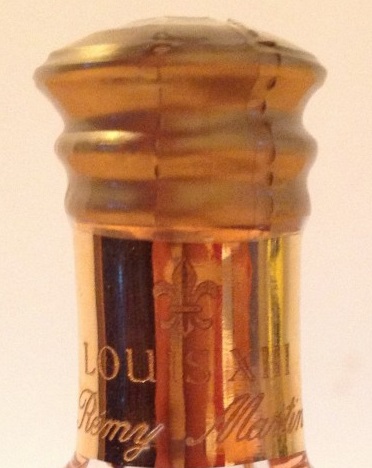
| "Saint-Louis" on base | After 1969; Asian market production; 10-fin profile, all-crystal stopper |
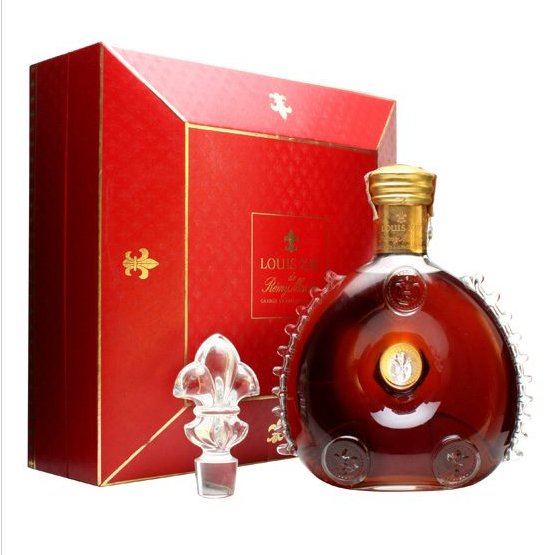
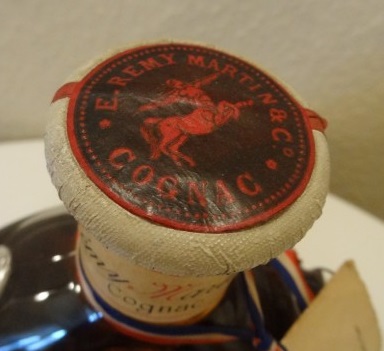
| Slim Centaur, spear pointing at "Y" of Rémy | Pre-1963 |
| Centaur spear pointing up at "R" of Martin | 1963–1968 |
| Fat Centaur (old style) on a newer-looking bottle | 1969–1978 — the octagonal box era paradoxically reverted to old Centaur |
| "Age Inconnu" label | European market; pre-1963 |
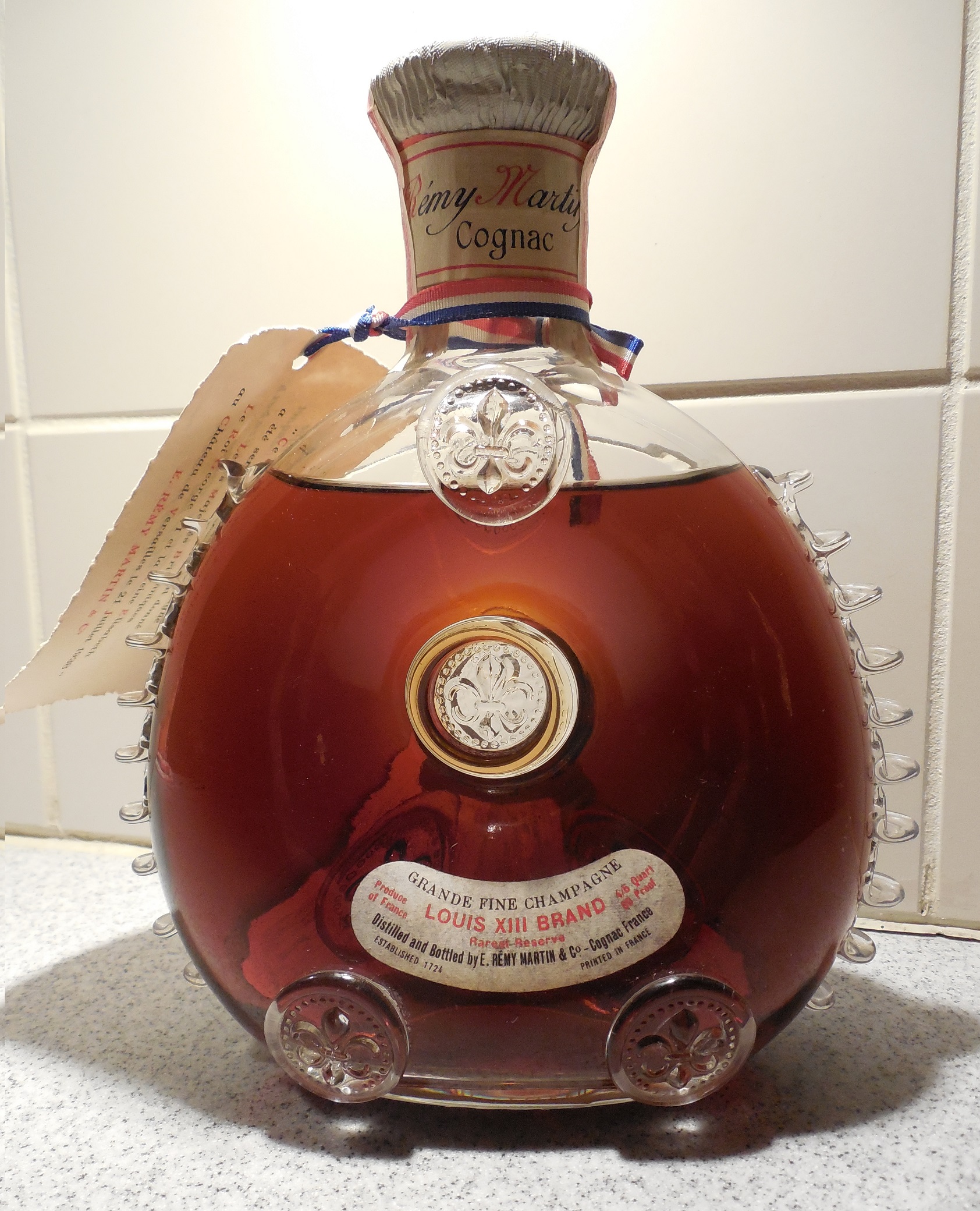
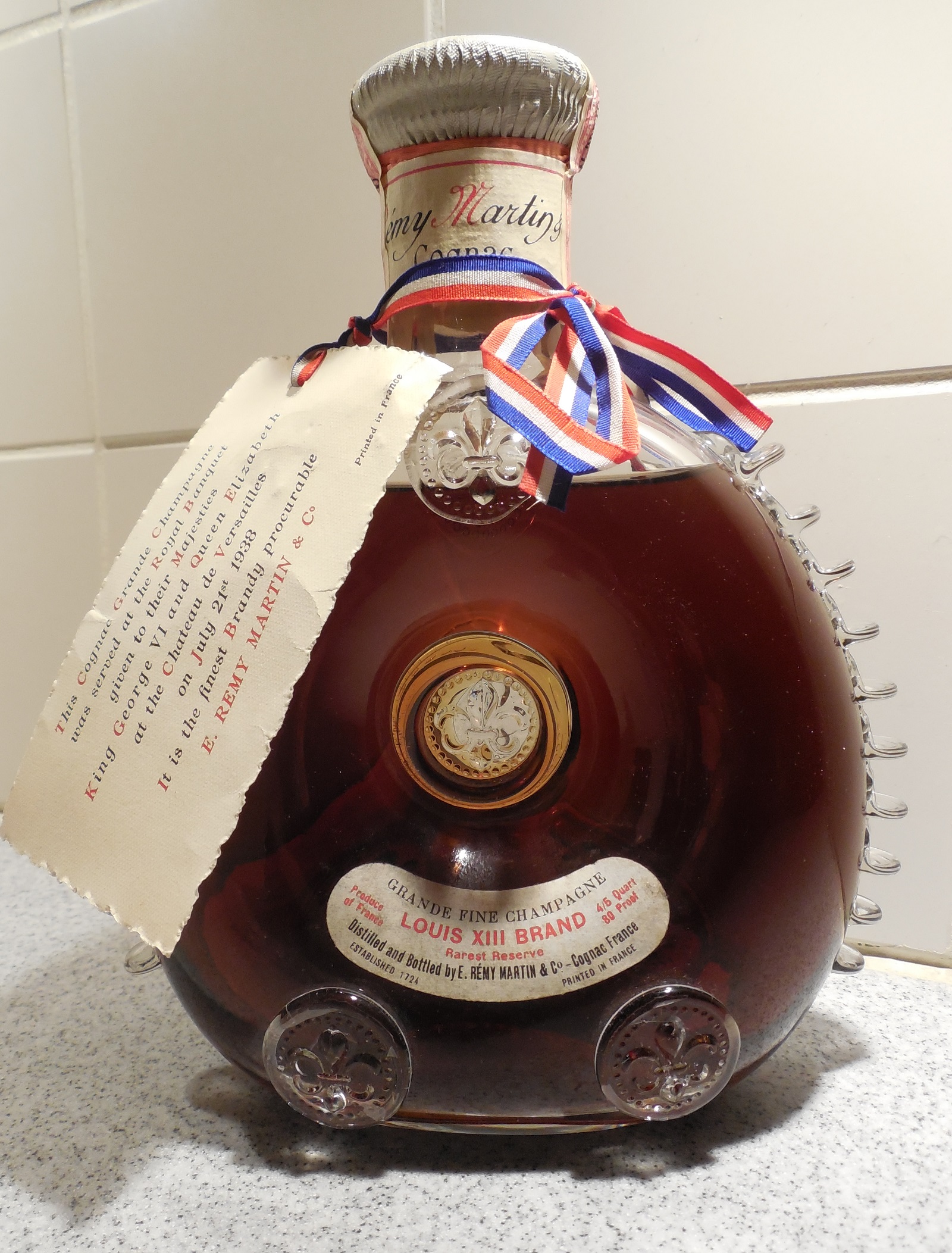
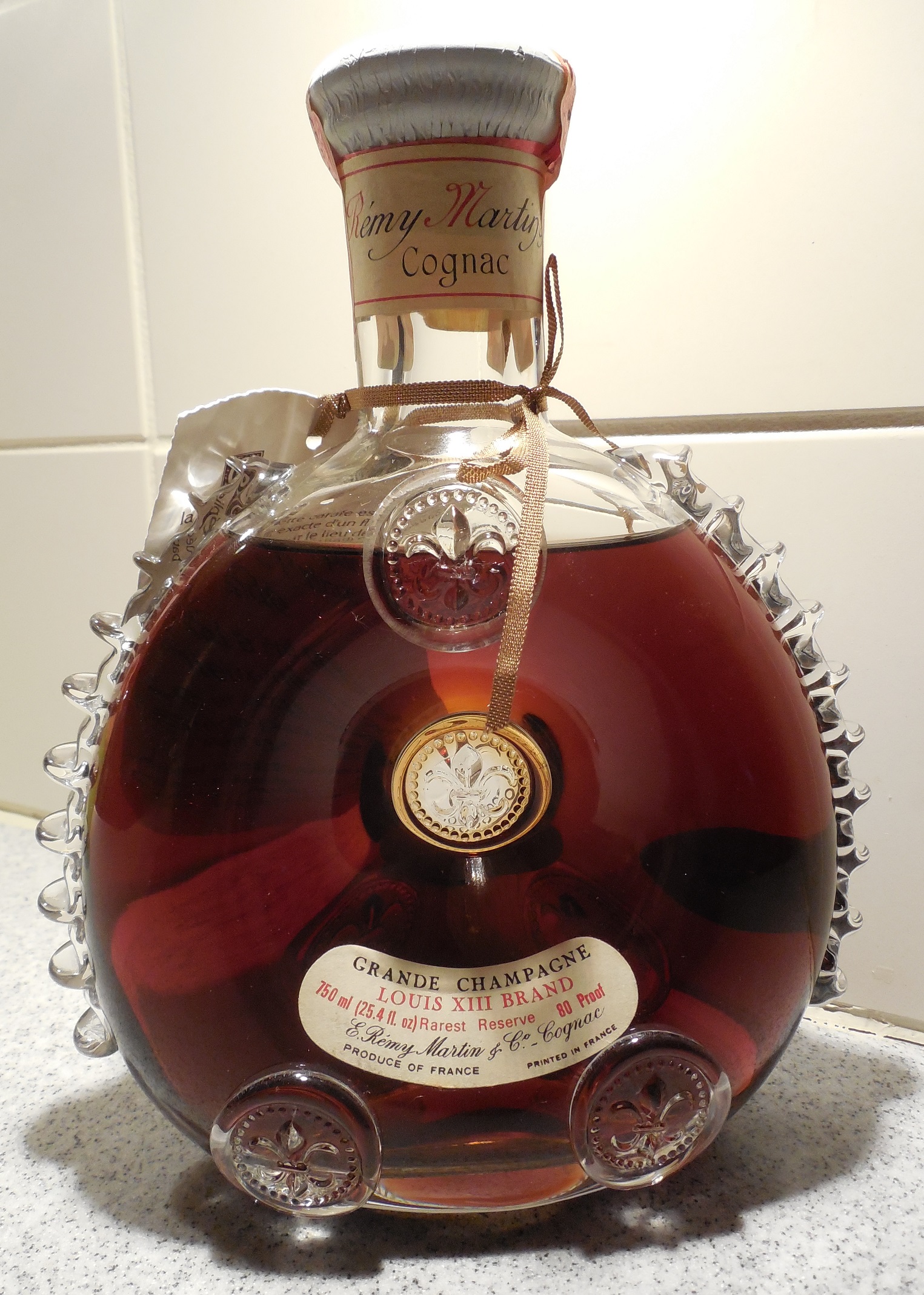
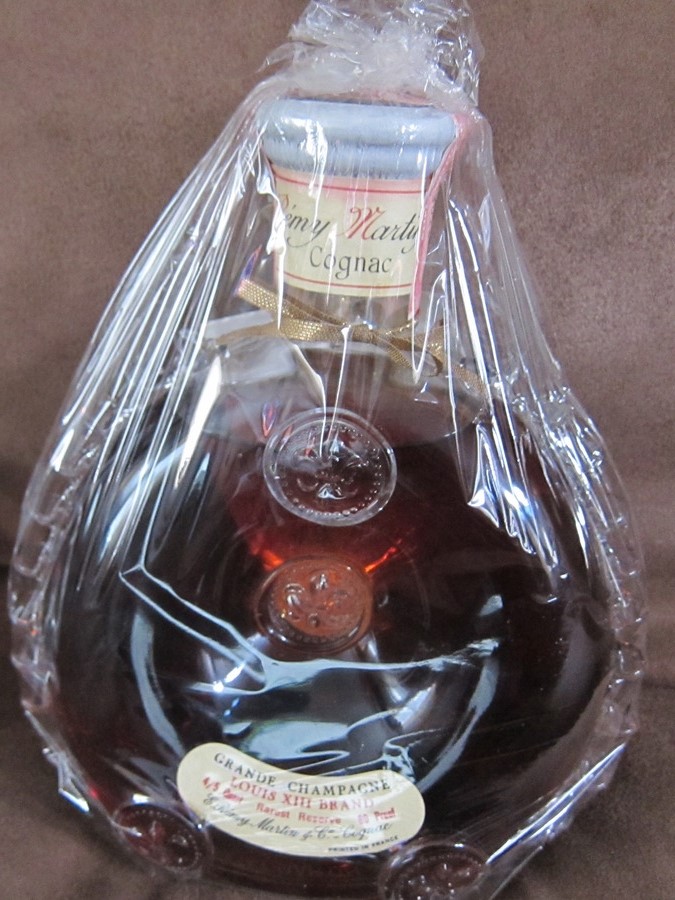
| "Rarest Reserve" label (bean-shaped) | US market; used throughout most of the 20th century |
| Serial number (letters + 4 digits) | 1979 or later |
| No serial number | Pre-1937 or 1964–1968 (that generation was unnumbered) |
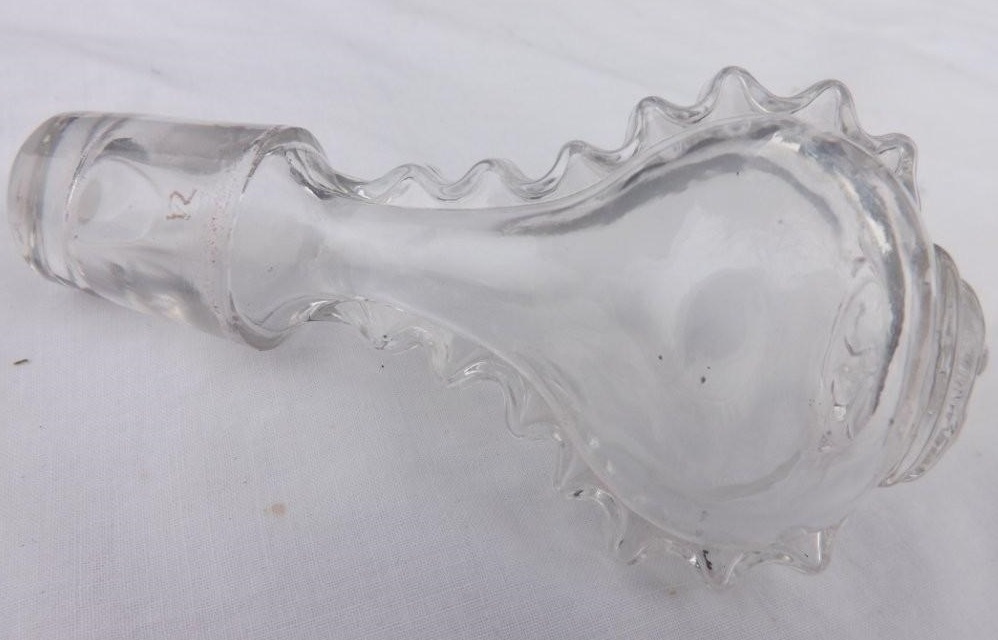
| Solid "Fleur-de-Lys" stopper (not hollow) | 1979 or later |
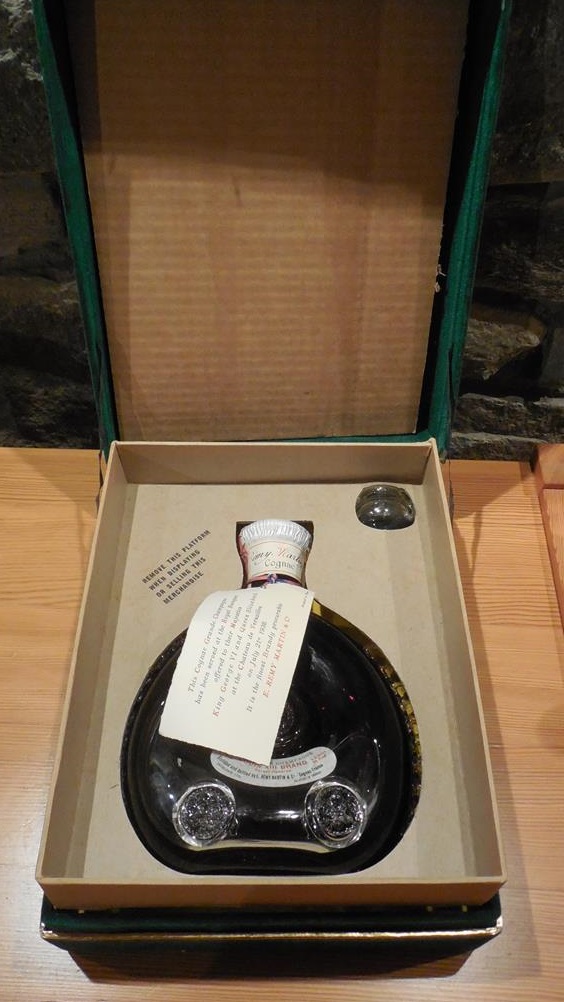
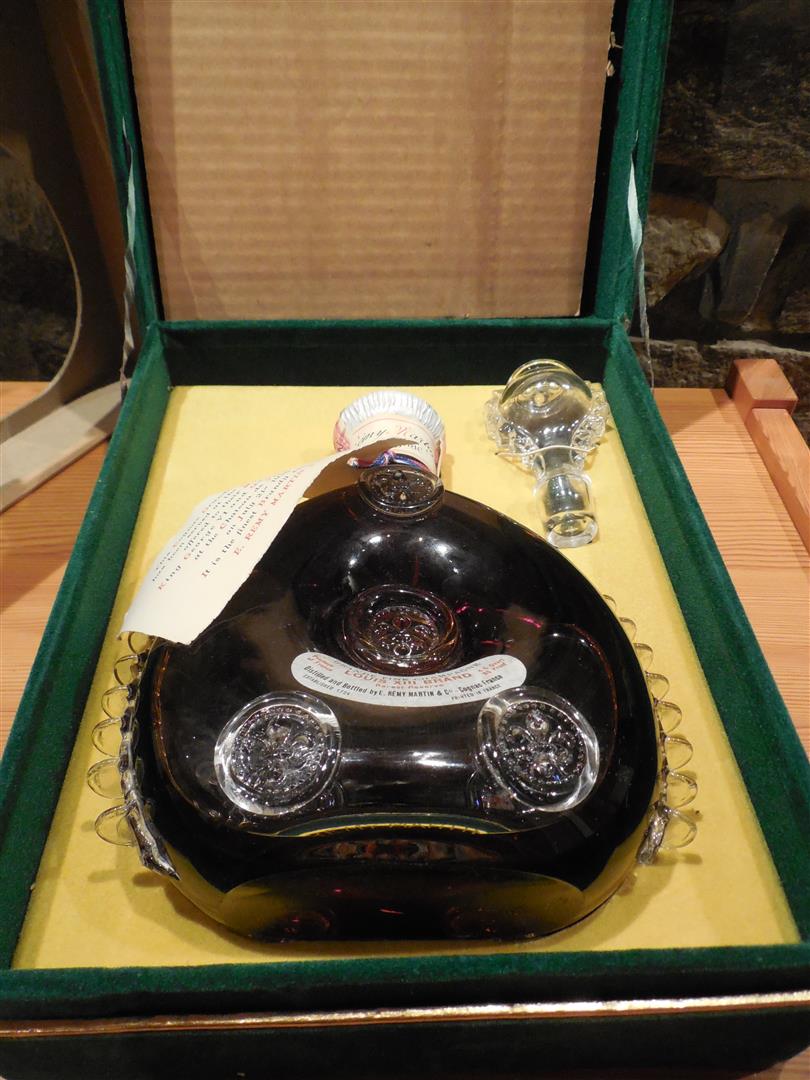
| Green velvet box | 1946–1958 US market |
| Red velvet box | 1959–1961 US market |
| Red oval split box | 1964–1968; US market; unnumbered generation |
| Octagonal red "silk" box | 1969–1978 |
| Red square box | 1979–2002 |
| Rattan basket | European market; 1946–1962 |
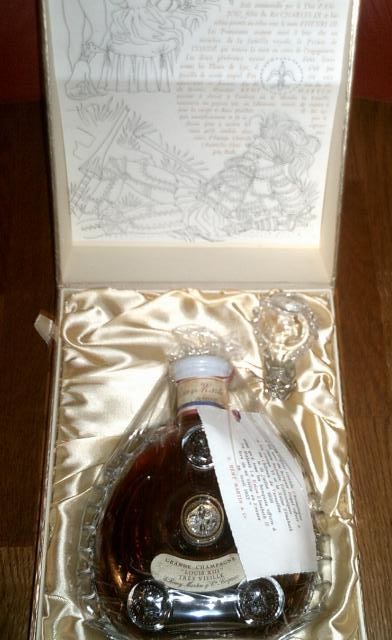
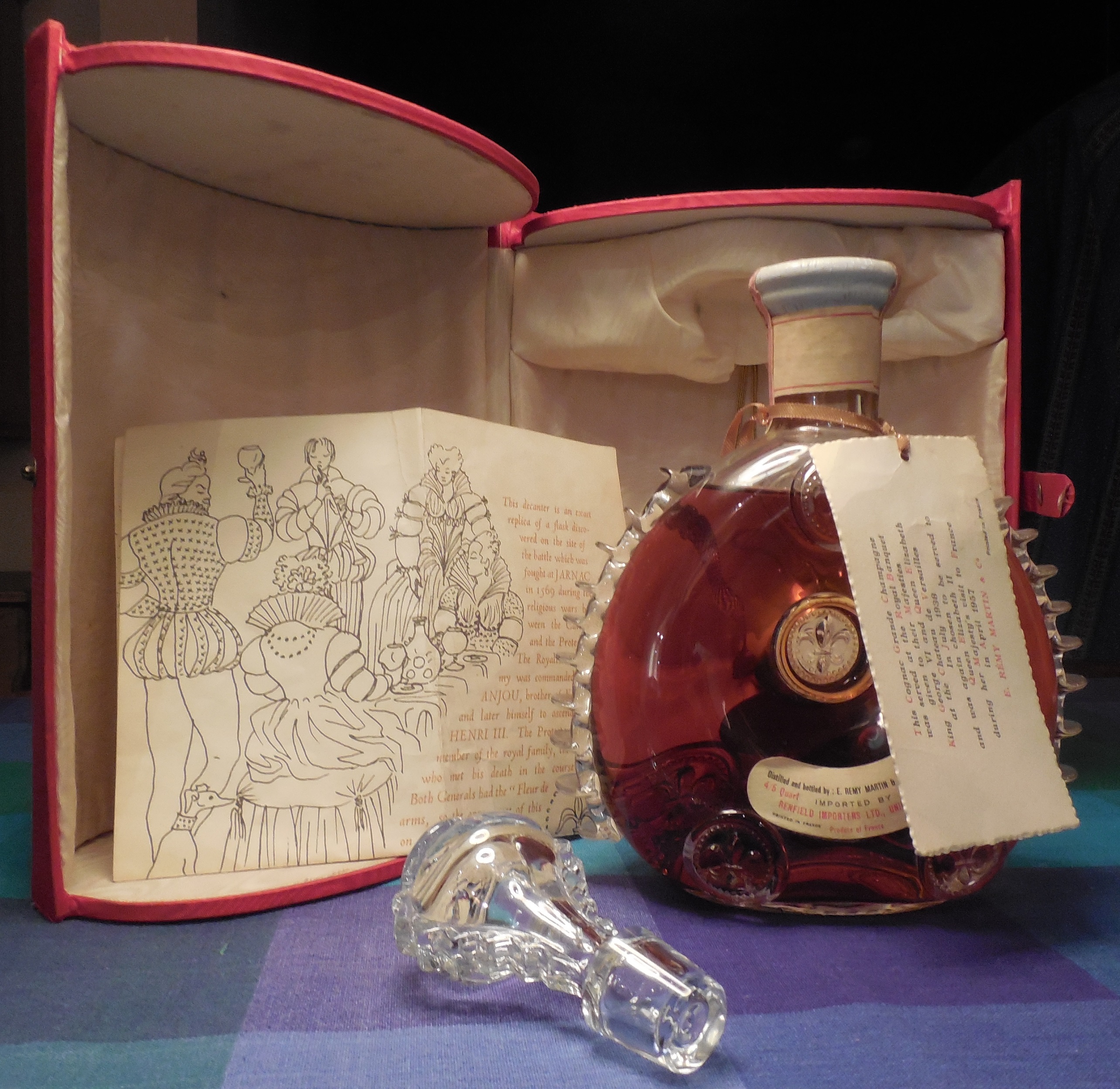
| Royal Banquet Card | 1938–1968 US market |
| Battle of Jarnac card | 1969 onward |
| 4/5 Quart volume | Pre-metric; US market before 1981 |
| 0.7L or 0.75L volume | Post-1962 Europe / post-1981 US |
| "2000A" on base engraving | Rendez-Vous 2000; limited to exactly 2,000 bottles |
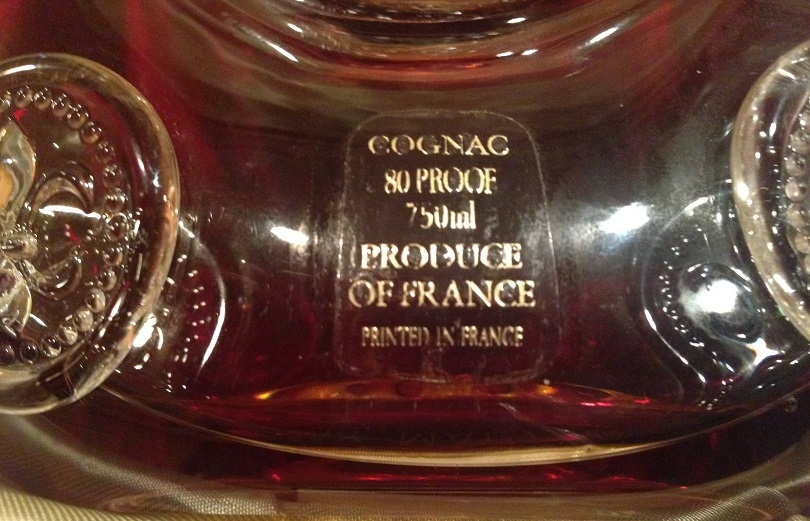
| NFC chip in cork stopper | Modern Classic Decanter; enables authentication via LOUIS XIII Society app |
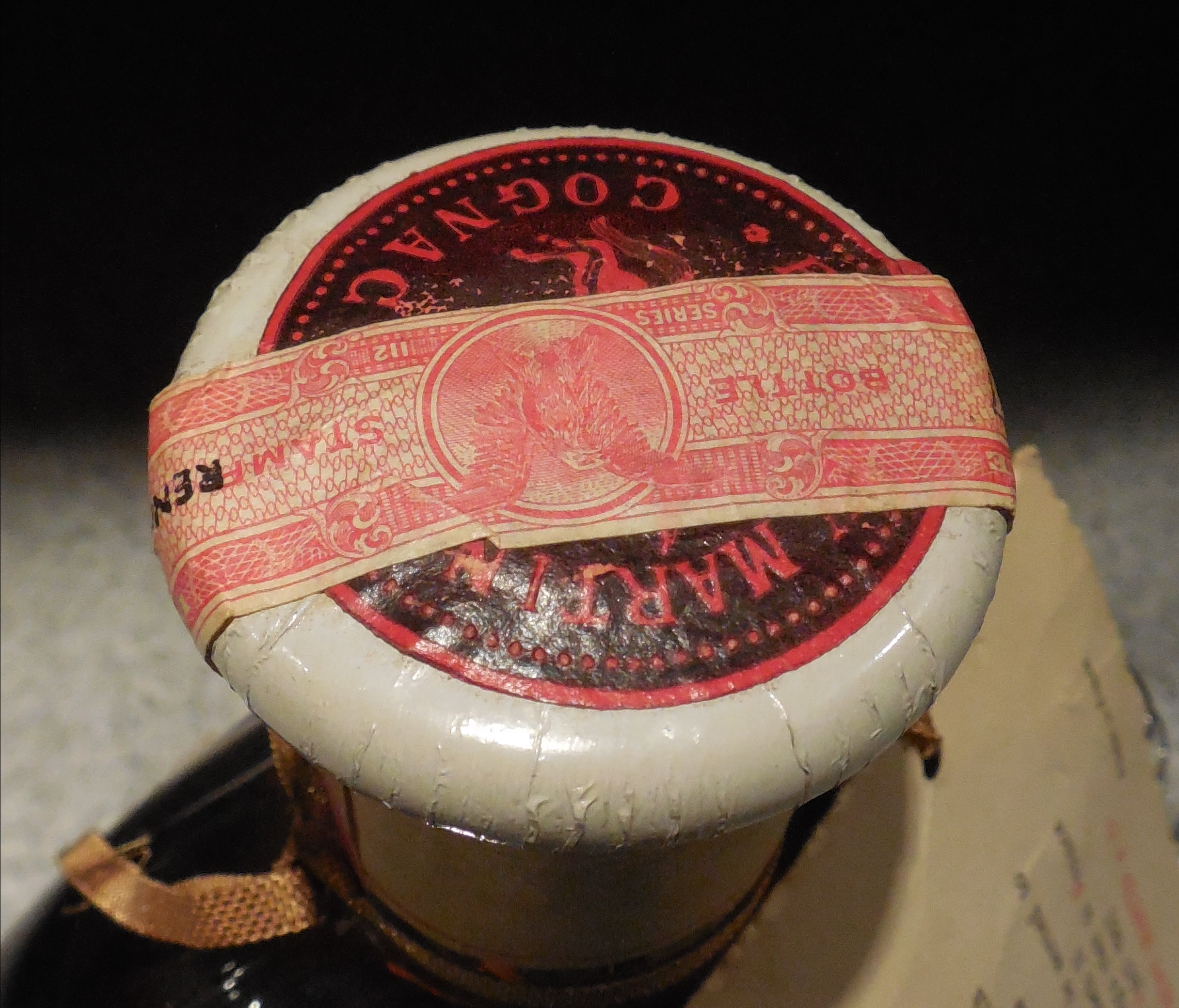
Applies to US-market bottles only. One of the most reliable dating tools for pre-1985 bottles.
| Tax Strip | Date Range |
|---|---|
| No "Series" near eagle | 1934–1944 |
| "Series 111" below eagle | 1944–1960 |
| "Series 112" below eagle | 1961–1982 |
| References "Dept. of Revenue" | 1961–1977 |
| References "Bureau of ATF" | 1977–1985 |
| Tax strips discontinued | After 1985 |
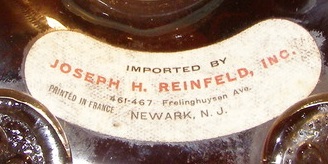
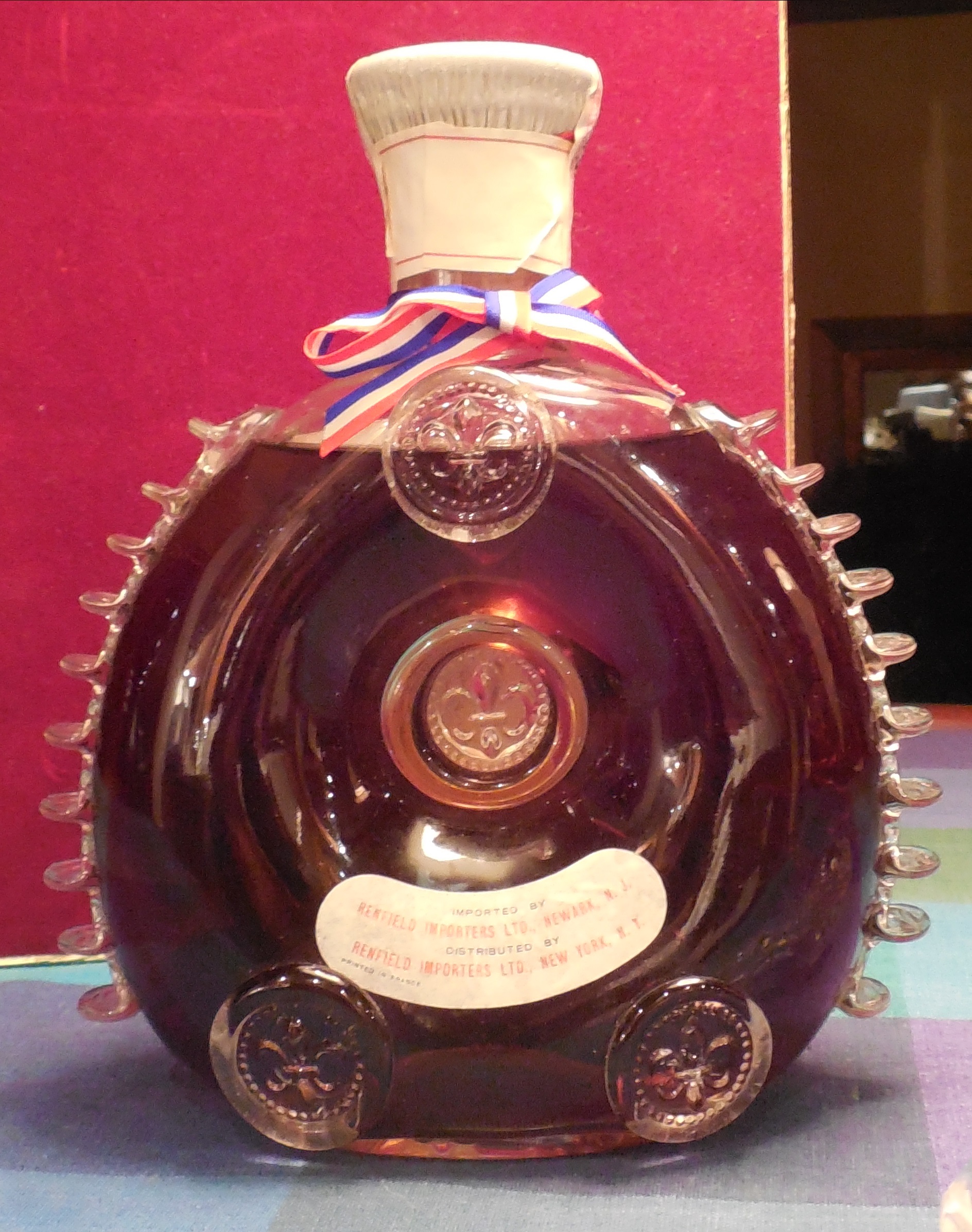
The back-label importer is a quick dating shortcut for US-market bottles.
| Importer | Period |
|---|---|
| Joseph H. Reinfeld Inc. / Browne Vintners | 1933–1940 |
| Renfield Importers Ltd. (Union, NJ) | 1940s–1990s |
| Remy Amerique Inc. / Remy-Cointreau | ~1999–present |
The Lineup
From a single-serve personal vessel to a monumental 9-liter sculpture. Historical US-market sizes used pre-metric designations; the shift to metric became mandatory in the US from 1981.
| Format | Volume | Notable Details |
|---|---|---|
| The Drop | 1cl | Personal experience format; designed for mixing and travel |
| Miniature | 5cl | Hand-blown Baccarat crystal; same defining features as full-size |
| Classic | 70cl / 75cl | Signature size; modern version includes NFC chip in cork stopper for LOUIS XIII Society authentication |
| Magnum | 1.75L | — |
| Jeroboam | 3L | Includes four glasses, Cellar Master letter, and LOUIS XIII Spear |
| Mathusalem | 6L | Only 50 produced per year; presented in display chest with eight glasses |
| Le Salmanazar | 9L | One-of-a-kind; created by 20 master sculptors at Baccarat; weighs over 15kg without cognac |
| 4/5 Quart (historical) | ~757ml | Standard US size through the 1970s; replaced by 75cl after 1981 |
The Liquid
Consistently 40% ABV. Classified Hors d'Age — beyond age designation — with a minimum component age of 40 years and a maximum of 100. Deep amber with warm mahogany and copper reflections; occasional flaming red tones suggesting great age.
Nose
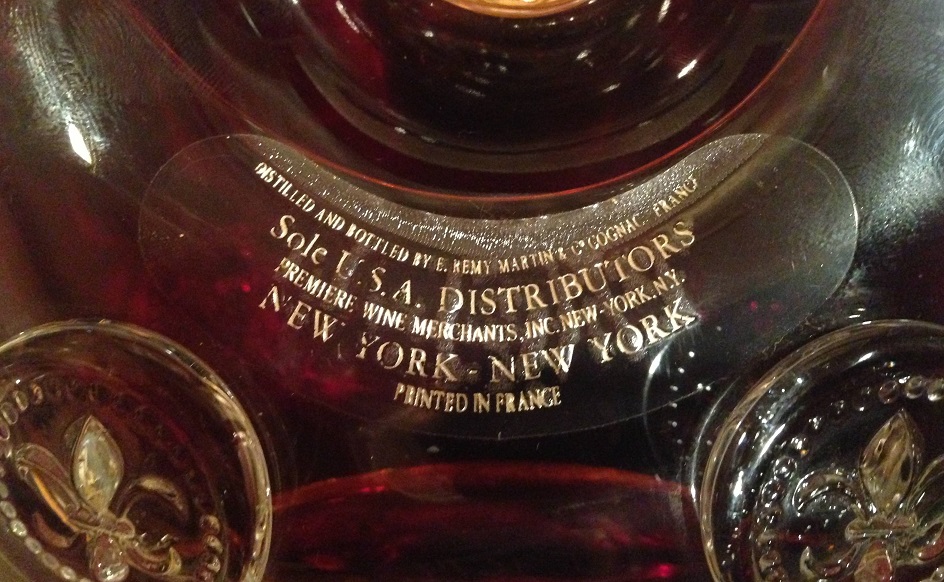
Honeysuckle, leather, cigar box, figs, dried roses, plum, passion fruit, myrrh, honey, candied fruits, toasted oak, vanilla. Also: almond, allspice, orange peel, clementine, medjool date, baked pear, cocoa, dried chamomile, jasmine.
Palate
Candied figs, raisins, nuts, cinnamon, ginger, clove, oak, rancio, grape skins, slight salt, orange. Pairs well with caviar or wafer-thin bellota ham. The rancio — a nutty, cheesy oxidative note found only in very old cognacs — is among the most distinctive characteristics.
Finish
Exceptionally long. Sweet oak, cherry, and rancio persist, with baking spices and pepper. Widely regarded as having one of the longest finishes of any cognac. The house describes it as "a magical firework of flavors and aromas" — theatrical, but not inaccurate.
Limited Editions
Beyond the Classic decanter, Rémy Martin has produced a series of limited editions tied to specific cellar selections, anniversaries, and collaborations. The Black Pearl series is the most collectible.
| Edition | Year | Details | Release Price |
|---|---|---|---|
| Rendez-Vous 2000 | 1999 | Exactly 2,000 bottles; millennium edition; red square box with gold scrolling; stopper not numbered | — |
| Black Pearl AHD | Various | Multiple versions produced using private reserves of former chairman Heriard Dubreuil; also includes Anniversary Edition and a single bottle for the 2011 Montreal Grand Prix | — |
| Black Pearl Rare Cask 42.6 | 2013 | 738 Baccarat decanters; single tierçon selected by Pierrette Trichet in 2009; 42.6% ABV; most collectible of the Black Pearl series | ~$23,000 USD |
| The Origin — 1874 | 2017 | Tribute to the 1874 original; Saint-Louis crystal; woven metal case | ~$7,200 USD |
| Louis XIII Legacy | n/d | 500 created; signed by four of the five cellar masters; Italian calfskin leather box; numbered plaque | ~$12,000 USD |
| Rare Cask 43.8 | Current | Latest single-cask release | ~$20,000+ USD |
The Market
Current Retail
| Format | Retail |
|---|---|
| Classic (70cl/75cl) | $3,000–$4,100 |
| Miniature (5cl) | ~$762 |
| Black Pearl Rare Cask | ~$23,000 |
| Louis XIII Legacy | ~$12,000 |
| The Origin — 1874 | ~$7,200 |
Vintage Resale
White-top bottles from before 1981 generally sell for around the same as a new decanter, sometimes slightly more, given that early Baccarat production was exclusively hand-blown. Condition, completeness (original box, card, stopper matching bottle number), and documented provenance drive premium pricing.
A rare Louis XIII Black Pearl discovered on a Mediterranean cruise ship — estimated by Bonhams at £5,000–£7,000 — ultimately sold for £10,350, nearly twice the high estimate.
Authentication & Notes
Before 1981: the bottling date can be read directly from the decanter.
After 1981: provide the engraved serial number to Rémy Martin; they can retrieve the bottling date.
Modern Classic: NFC chip in the cork stopper enables digital authentication via the LOUIS XIII Society app.
Lead crystal: Pre-1969 Baccarat decanters were made with lead crystal. Any spirit stored in confirmed lead crystal for extended periods should be tested before consumption.
This guide reflects research that is neither complete nor 100% accurate — exactly as the original author notes. Rémy Martin kept few production records. Many conclusions were derived by cross-referencing advertisements, tax stamps, label types, and date cards spanning decades of collecting.
Original research by Michael at Vieux Cognacs (vieuxcognacs.com), October 2013. With thanks to Austin Chan and Tron. Presented here for educational and reference purposes. If you have a bottle, a photograph, or information that extends this timeline, get in touch.